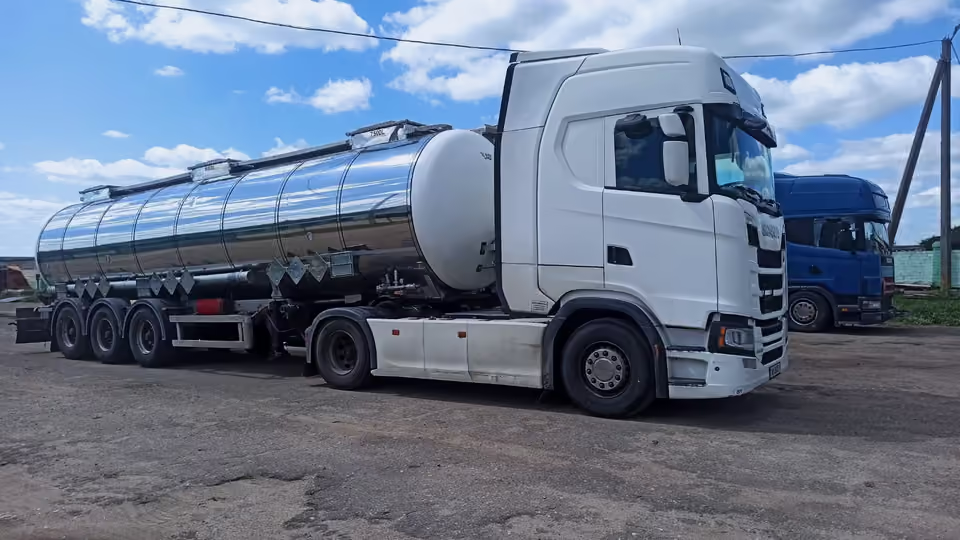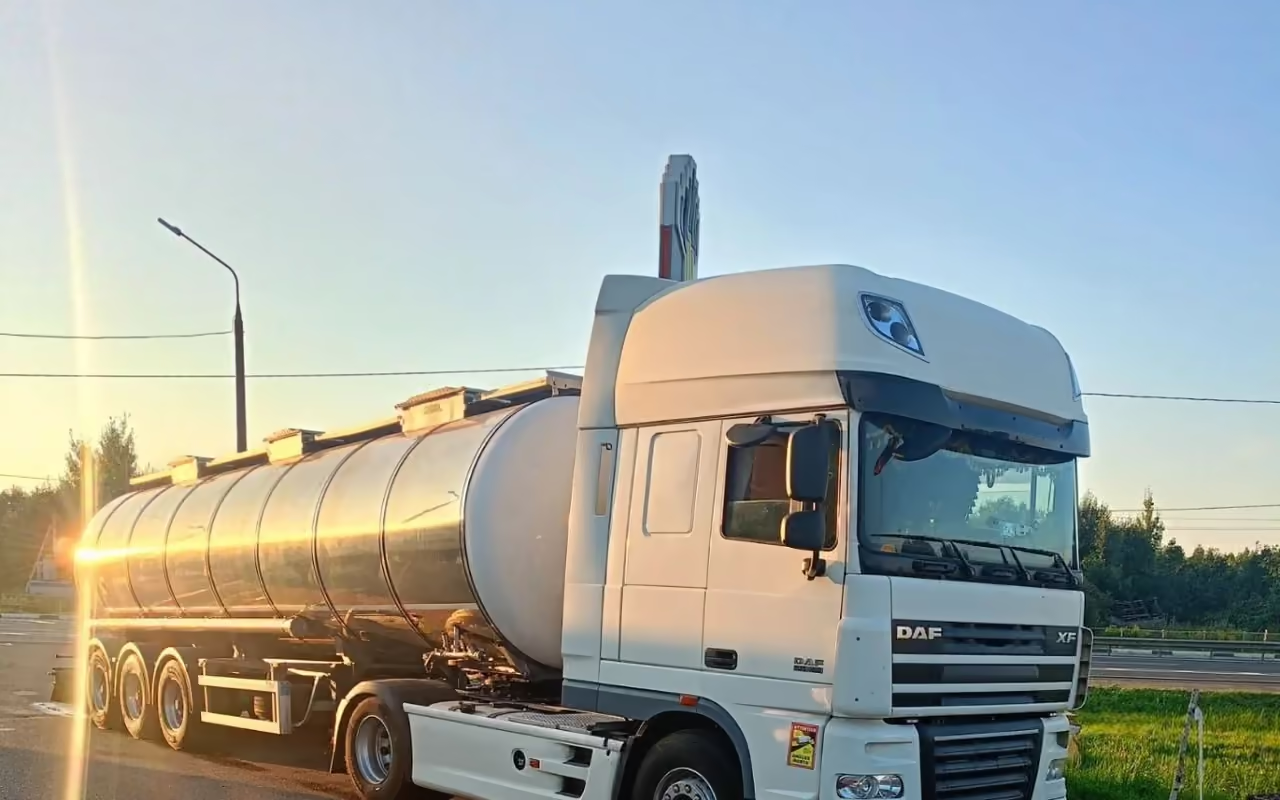
Non-hazardous chemical tank transport

Non-hazardous chemicals in bulk. Tanker and fittings are matched to product properties and site conditions.

  • Not food-grade tanks
  • SDS before the trip
  • Tank compatibility
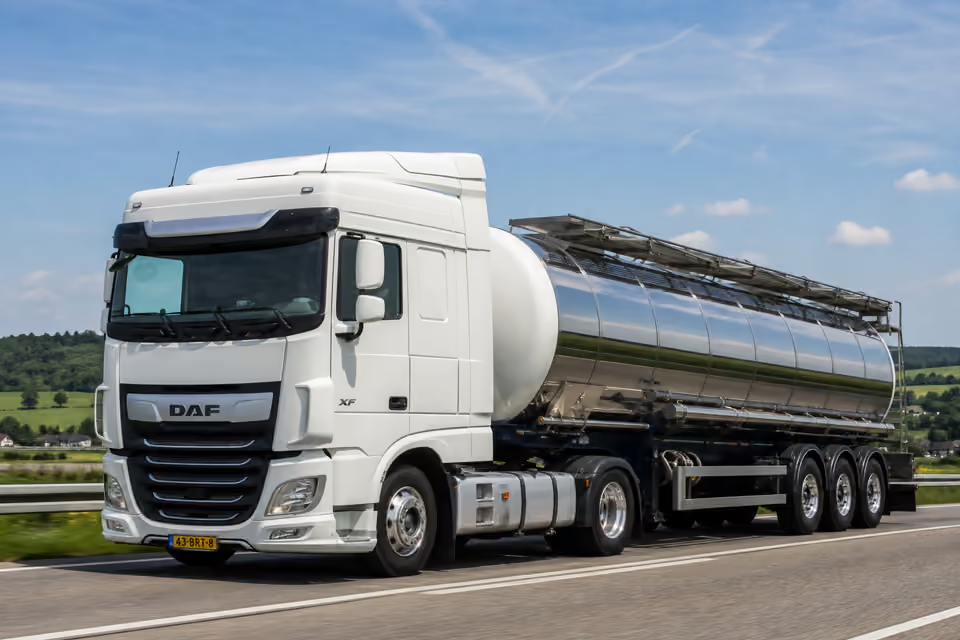
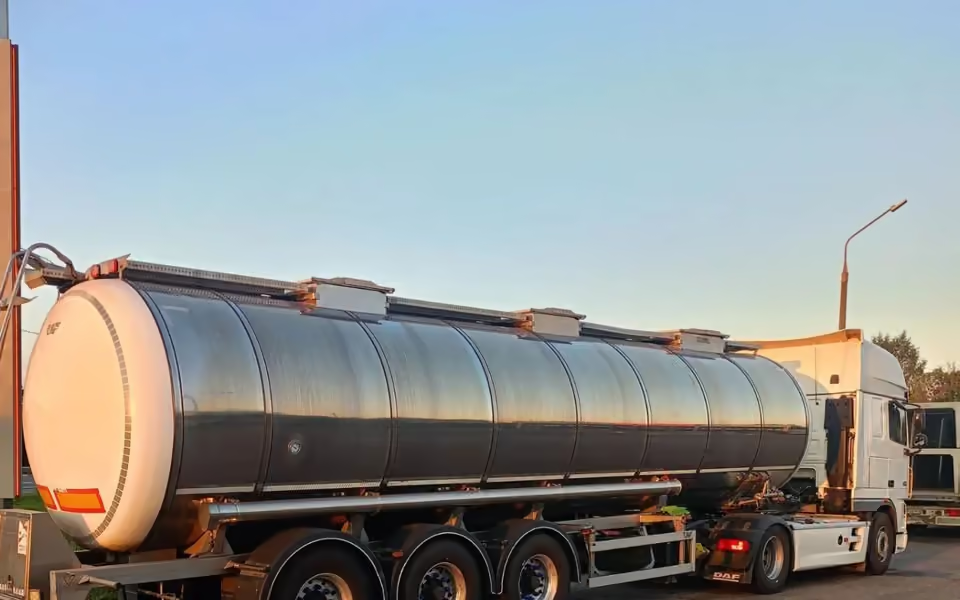
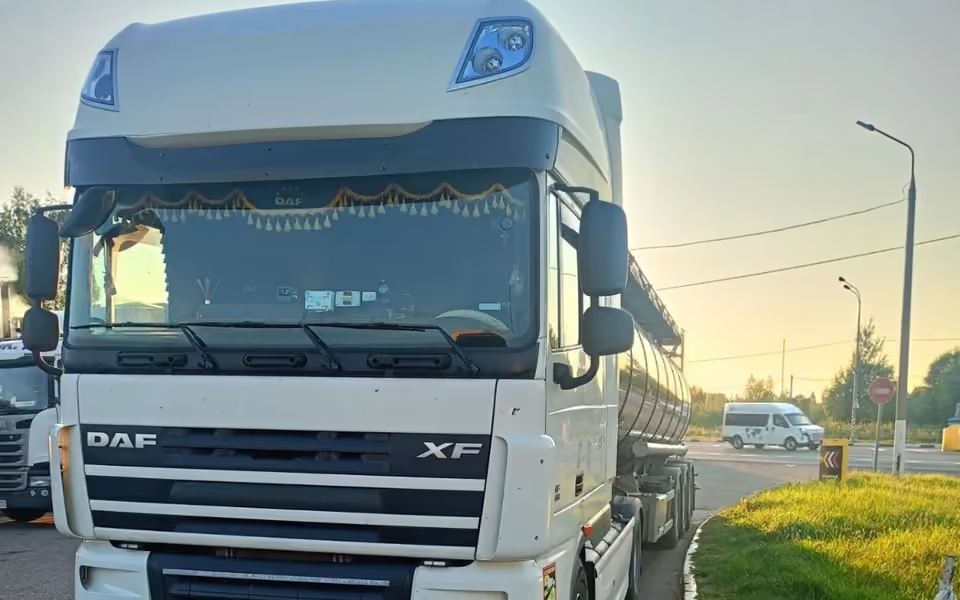
KDM Cargo chemical tanker
  • 32 м³volume
  • up to 24 тpayload
  • GPSon the truck

CHEMICALS

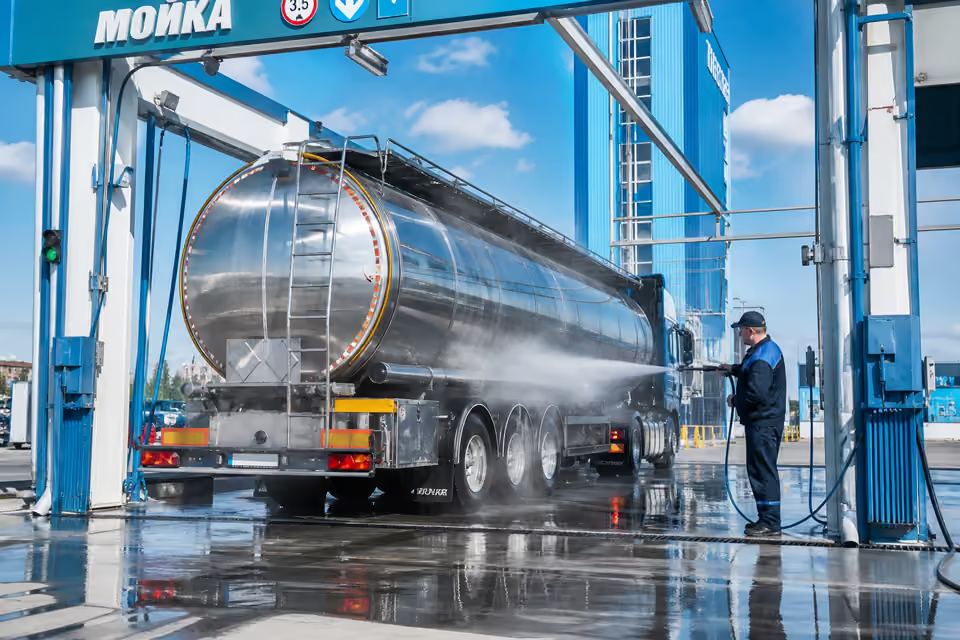
We confirm the tanker for the product, wash and site

We organise non-hazardous chemical liquids in dedicated tankers — separate from food-grade transport and ADR. Matching needs product properties, tank material, fittings, supply windows and discharge method. Non-hazardous status is confirmed on documents: if the SDS classifies the cargo as dangerous, we move the request to dangerous goods (ADR). For viscous products we allow for steam heating. Trip feasibility is confirmed from batch and site parameters. If data is missing, we list what to clarify first.

  • Tanker for the propertiesTank and pipework are matched to the specific product — not mixed with food-grade trips “by default”.
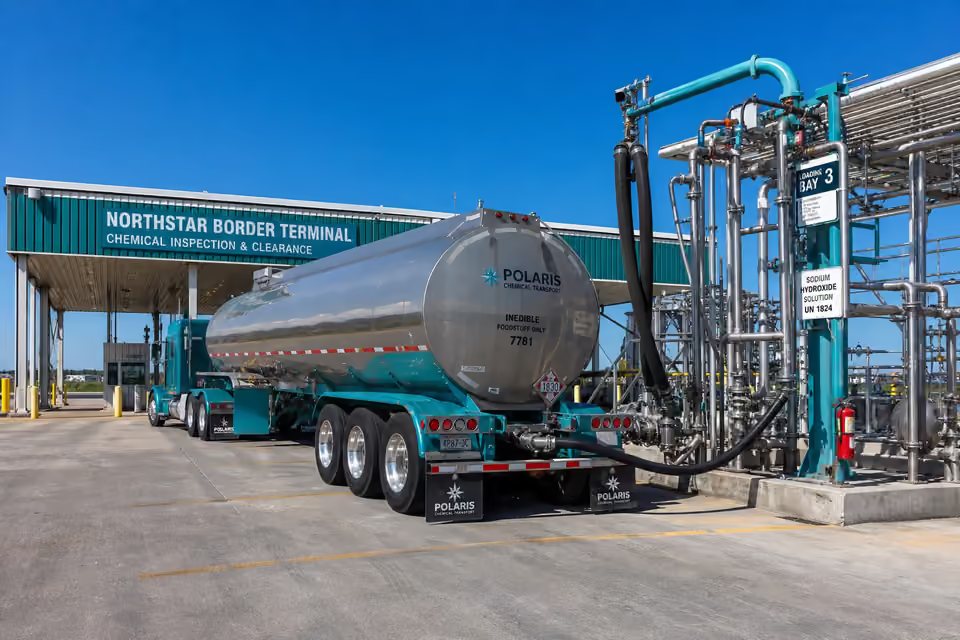
  • Loading and dischargeSite technical conditions are agreed in advance: access, hoses, discharge method, steam heating if needed.
  • Boundary with ADRIf the cargo is dangerous, we haul it as dangerous goods (ADR) — classes and clearances only after a document check.

What we check before the trip

Non-hazardous chemicals fail not on hazard class but on details: the tanker did not match the product, fittings did not fit, discharge was not agreed — and the truck leaves the site empty. We check before supply: non-hazardous status on the SDS, tank and fitting compatibility, discharge regime — and only then confirm the trip.

We take the job

We take non-hazardous chemicals in bulk — when the SDS shows the cargo is not dangerous, and clearance is decided by product properties, fitting hygiene and site conditions.

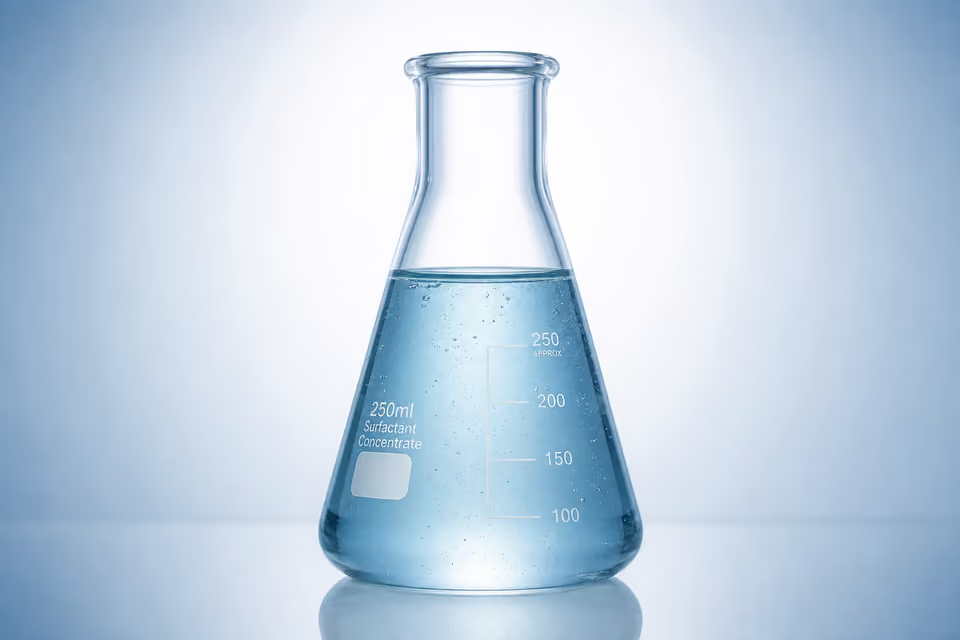
  • Glycerine, latex and surfactants — the tank is matched to product properties and material requirements
  • Polyols, PVA emulsion, liquid glass, technical oils — we match fittings and discharge regime
  • Viscous non-hazardous liquids — steam heating and discharge regime are agreed before the tanker is supplied
  • Non-hazardous status is confirmed on the SDS before we pick a tanker — so we do not slip into ADR
If this is a different cargo

If the cargo is food-grade or dangerous — pick another service. Non-hazardous chemicals need their own tanker and fittings; food-grade and dangerous liquids are run separately.

  • Oils, molasses, milk and other food-grade liquids — food-grade service
  • Acids, alkalis, petroleum products, solvents — dangerous goods service
  • We do not put a food-grade tanker under chemicals

Non-hazardous chemicals we are asked about

Glycerine, latex, surfactants, polyols and technical liquids. Non-hazardous status is checked against the SDS before we pick a tank.

Glycerine, latex and surfactants

Glycerine, latex, surfactants. Clearance is decided by SDS, tank material and discharge regime. If the SDS is dangerous — we haul it as ADR.

  • Non-hazardous statusConfirmed from the SDS before we pick a tank. Otherwise — dangerous goods.
  • Clean fittingsPrevious-cargo residues must not spoil the batch.
  • RegimeViscosity, temperature and discharge method are agreed with the site.
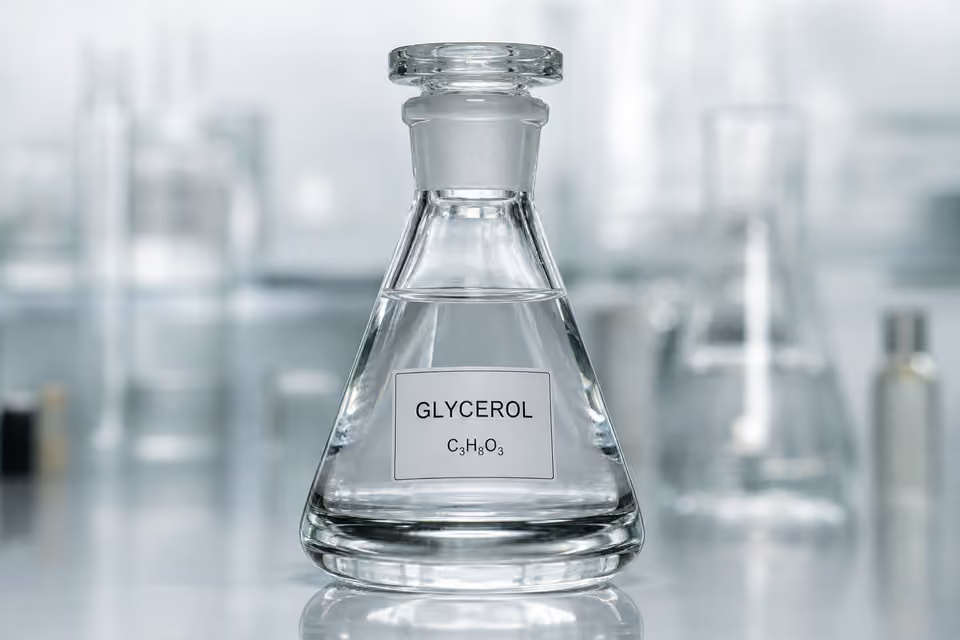
  • GlycerineХимия
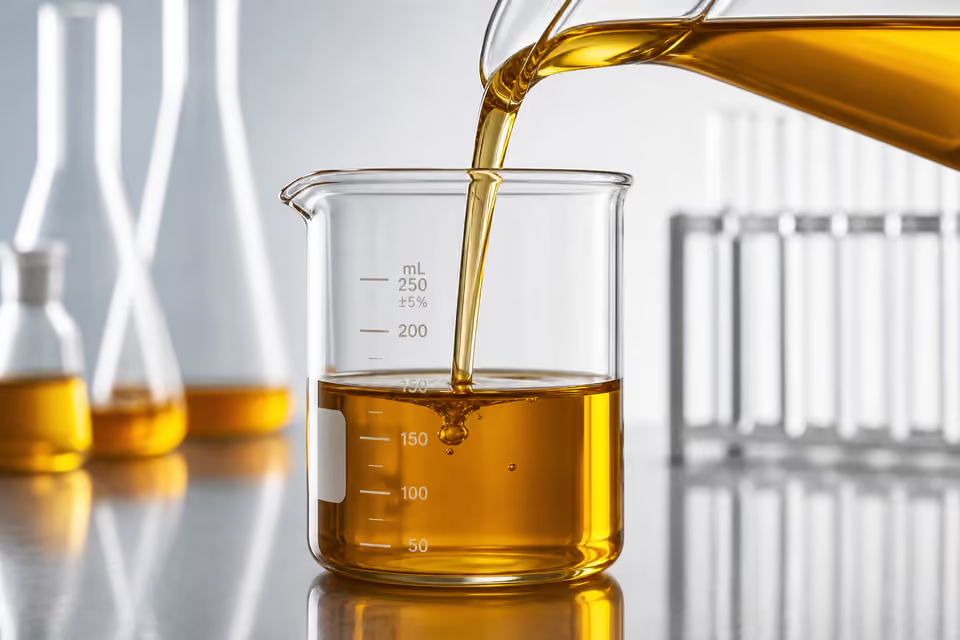
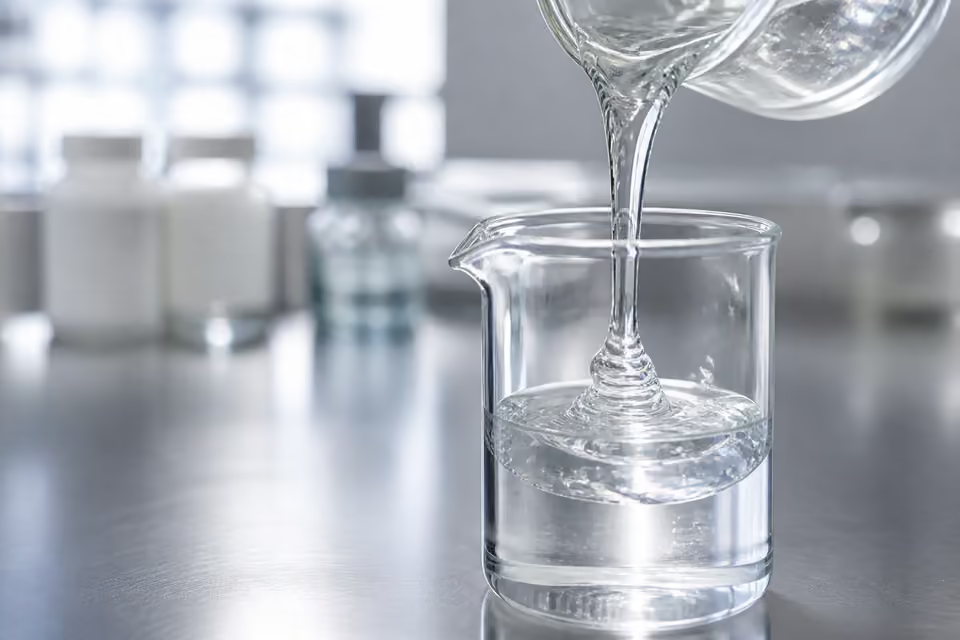
    Glycerine is a viscous non-hazardous load. Tank and fittings are matched to purity and temperature of the product.
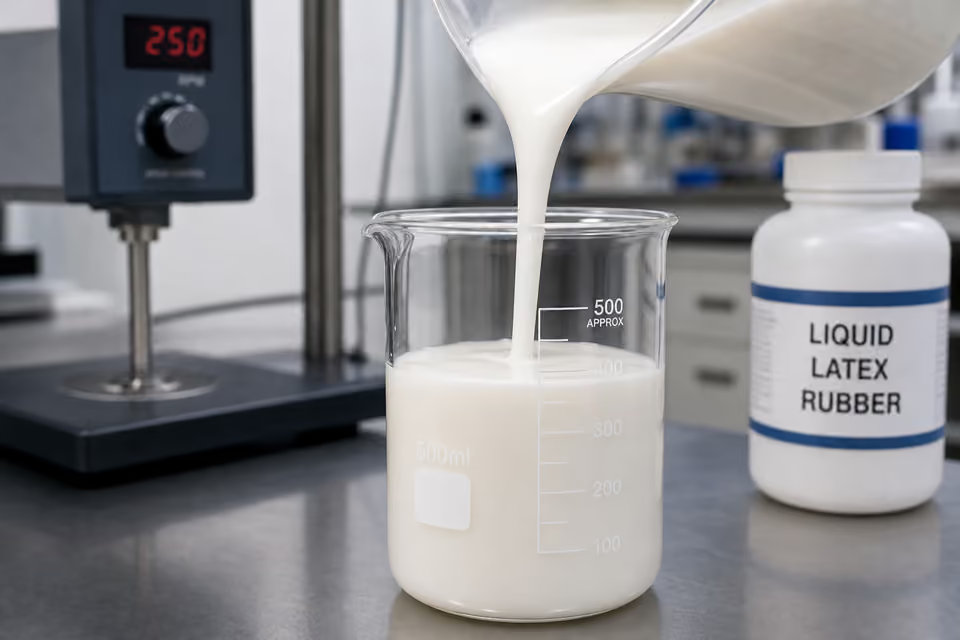
  • LatexХимия
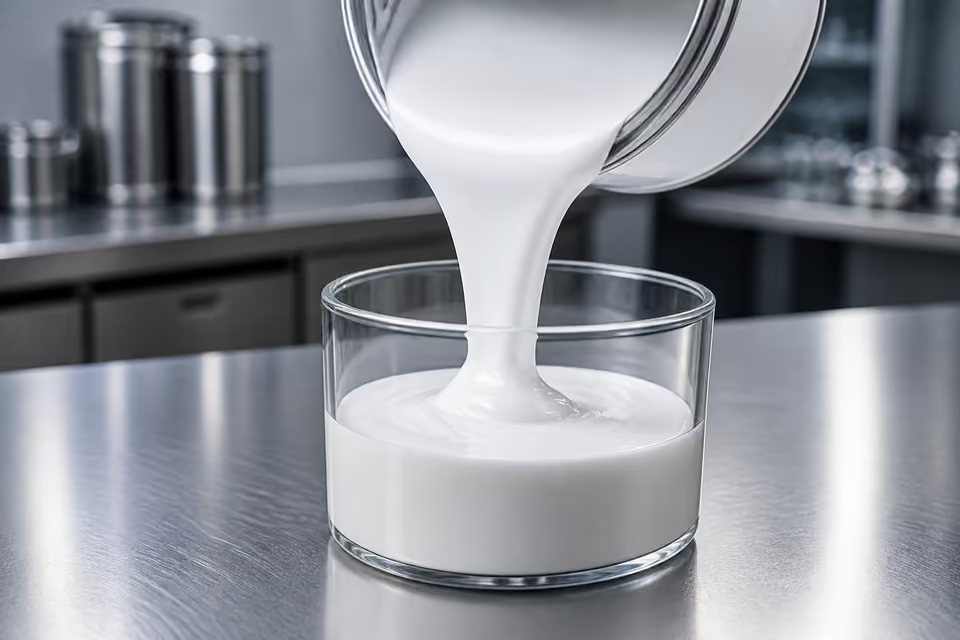
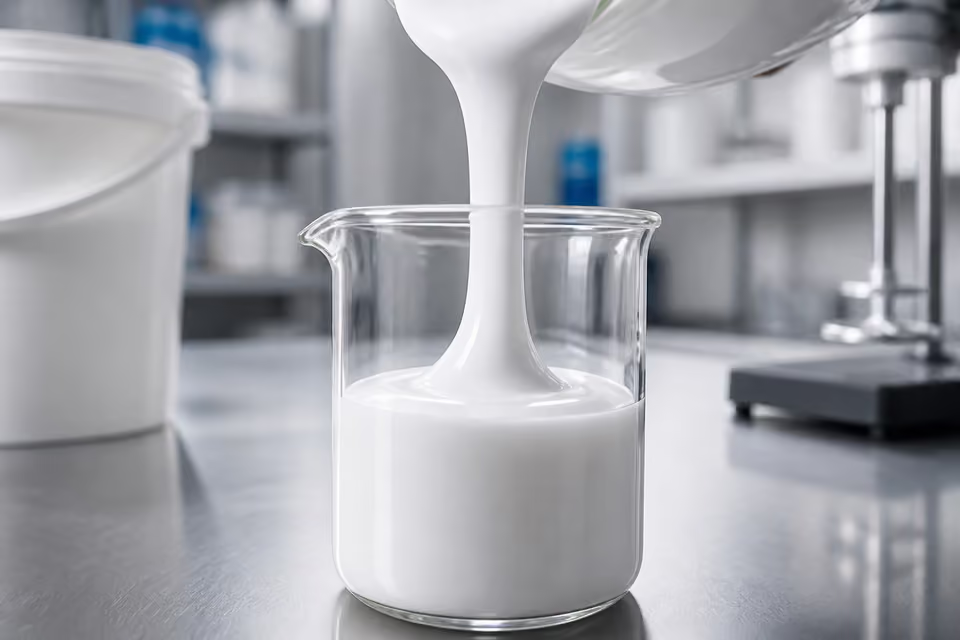
    Latex is sensitive to temperature and agitation. Tank and regime are agreed before the trip is confirmed.
  • SurfactantsХимия
    Surfactants are surface-active liquids. The tanker is matched for foaming and wash.

Polymer liquids

Non-hazardous only after the SDS. Tank material, fittings and wash follow the previous cargo. If the SDS is ADR, the trip moves to dangerous goods.

  • SDS firstHazard status is not taken from the website list.
  • ResiduesPrevious cargo in valves must not spoil the batch.
  • DischargeViscosity and temperature are agreed with the site.
  • Mineral oilsХимия
    Mineral oils are technical loads with different viscosities. The tanker is matched to product class before the trip.
  • Technical oilsХимия
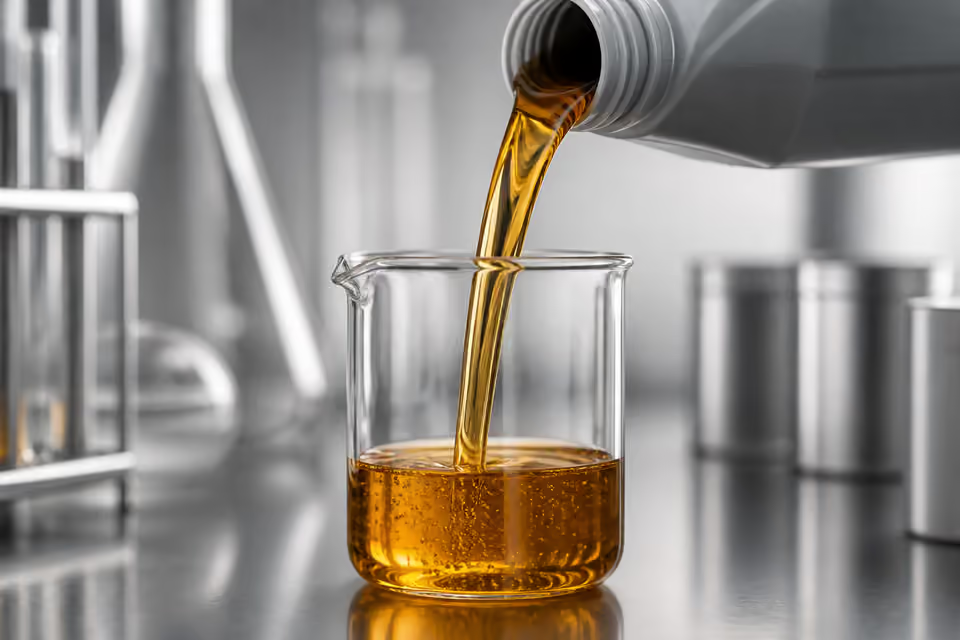
    Technical oils are industrial loads with different viscosities. Tank and wash are agreed before the trip.
  • Water-soluble paintsХимия
    Water-soluble paints and varnishes with control of settling and tank wash.
  • PolyolsХимия
    Polyols are polyurethane components sensitive to moisture. Tank and tightness are checked before the trip.
  • PVA emulsionХимия
    PVA emulsions need a stable regime without sharp swings. Tank and wash are agreed before the trip.
  • Water glassХимия
    Water glass is an alkaline silicate load. Tank material and wash are checked before the trip.

Product not in the grid

Name the product and attach an SDS or spec. Clearance follows the batch, not the catalogue.

What we check before we supply the tanker

Linked checks before departure — so we do not solve each condition at the plant gate.

  1. Specs / SDS

    Product properties and hazard status are checked before we pick a tank.

  2. Wall material

    Compatibility of the tank and seals with the batch chemistry.

  3. Residues and wash

    The previous load must not spoil product quality or reaction.

  4. Site fittings

    Discharge method and hoses are agreed before the tractor is supplied.

  5. Not food-grade tanks

    We do not use leftover food-grade tankers for chemicals.

We match the tanker to the product

A tank for the product and the discharge site, not a universal truck.

  1. Material for the product

    Tank and lining — by spec, not “universal chemicals”.

  2. Pipework

    Nozzles and discharge matched to plant or warehouse equipment.

  3. Heating

    Steam jacket — if viscosity needs a regime in transit.

  4. Tank hygiene

    Wash and history — before we confirm the trip.

For a first quote

Send the trip parameters

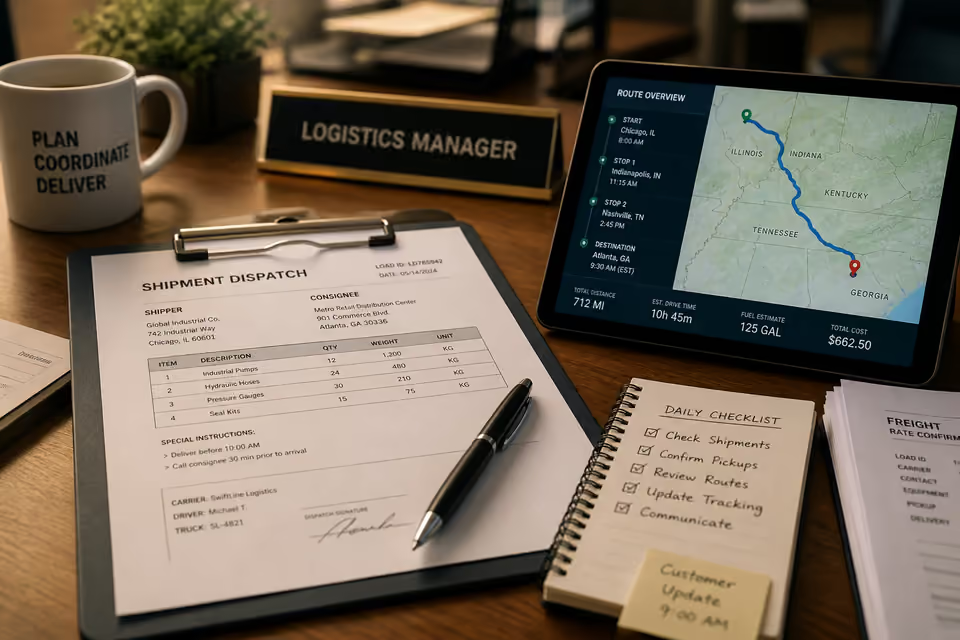
Product, volume, corridor and a contact are enough for a first reply. The rest we clarify before we confirm supply.

  1. Product name and spec/SDS
  2. Batch volume
  3. Route and windows
  4. Discharge conditions on site
  5. Contact

What to put in the request and what is needed on the trip

A phone number and the job in your own words are enough to start. These parameters speed up tanker and route checks. Guide: documents for a quote.

For a quote

  • Product name and spec/SDS
  • Batch volume
  • Route and windows
  • Discharge conditions on site
  • Contact

For the trip

  • Transport documents
  • Product passport / SDS
  • Wash certificate if receiving requires it
  • Site loading/discharge instructions

How the trip runs

From request to closing the trip — one logic for every service.

  1. Request

    Product, volume, route and a contact — even in your own words.

    Result: the job is logged; next step within the working day.

  2. Compatibility

    We match the product to tank history and receiver requirements.

    Result: clearance, or a list of tanker questions.

  3. Wash

    We lock wash type and the partner wash certificate.

    Status: tanker ready for loading, certificate with the driver.

  4. Supply

    We agree site windows, fittings and discharge method.

    Plan: arrival in the plant window, no idle time at the gate.

  5. Trip control

    We follow the trip: documents, status, contact with the driver.

    En route: status and discharge forecast in one message.

  6. Discharge and close-out

    We control unloading and collect closing documents.

    Close: signed papers and the closing settlement.

What the quote depends on

A fixed tariff without cargo parameters would only be a guess. The rate is shaped by the conditions below.

  • Route

    Length and route connections.

  • Tank matching

    Shortage of a compatible tanker affects timing and the rate.

  • Wash

    Cleaning class before a sensitive product.

  • Idle time

    Waiting and discharge complexity on site.

  • Heating

    Whether a steam regime is needed in transit.

Corridors where we assemble these trips

Belarus, Russia, Kazakhstan, China, Turkey, Georgia and European countries per trip. Specific points are agreed in the request.

Guides for this service

Request, wash, tanker and rate — to check the trip before the call.

Ask about non-hazardous chemicals

KDM Cargo

online

How do non-hazardous chemicals differ from ADR?

Non-hazardous chemicals do not need a dangerous-goods regime. If documents put the cargo under ADR, we haul it as dangerous goods with a separate clearance check.

What is needed to quote non-hazardous chemicals?

A phone number and the job in your own words. Product type, SDS/spec and route speed up the reply.

Can you haul after a food-grade load?

Food-grade, chemicals and ADR are separated. The decision follows tank history and wash; food and chem are not mixed “by default”.

What if the SDS is disputed?

We first check status on the documents. If the cargo is dangerous, the request is handled under ADR requirements.

Is heating needed?

It depends on viscosity and batch temperature. Every tanker in the fleet has a steam jacket; name the regime in the request.

Is wash partner-run?

Yes. We match the cleaning certificate for that tanker before confirmation if the product or receiving requires it.

Are polyols always non-hazardous?

Only if the SDS of that shipment says so. Otherwise — ADR line.

Match the load to a tanker

Send the product, volume and route. We check compatibility first, then come back with a quote.

Product · volume · route

If anything is missing, a specialist will confirm it by phone.