ADR dangerous goods tank transport

Dangerous liquids in dedicated tankers. Classes and clearances — only after a document check for the trip.

  • Clearance from documents
  • Class and packaging
  • Separate requirements
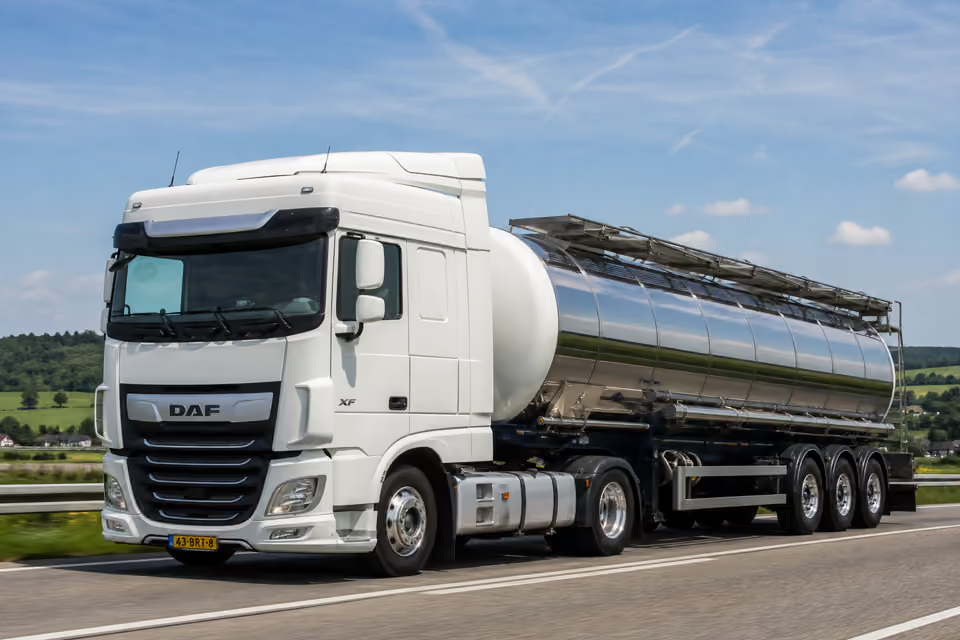
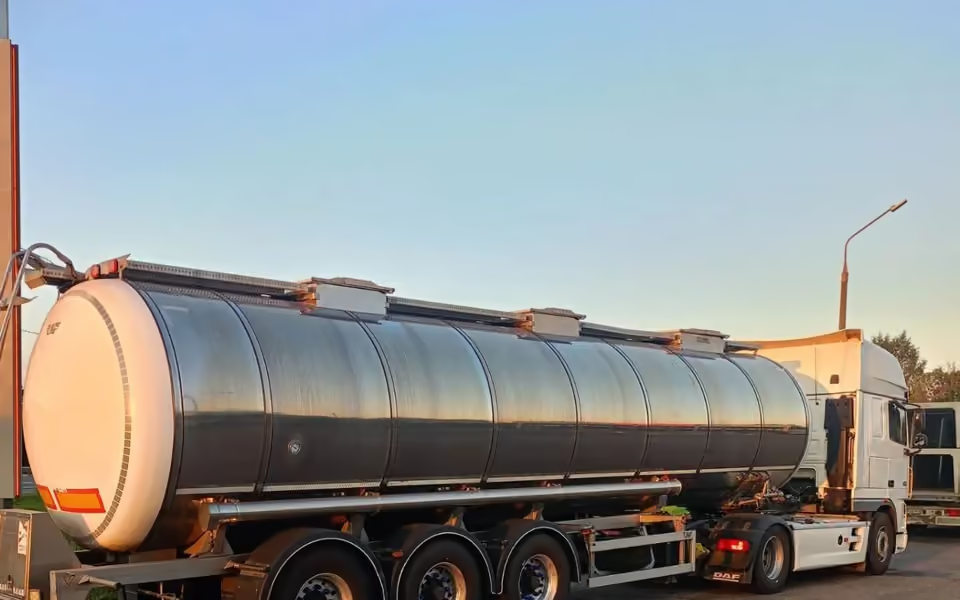
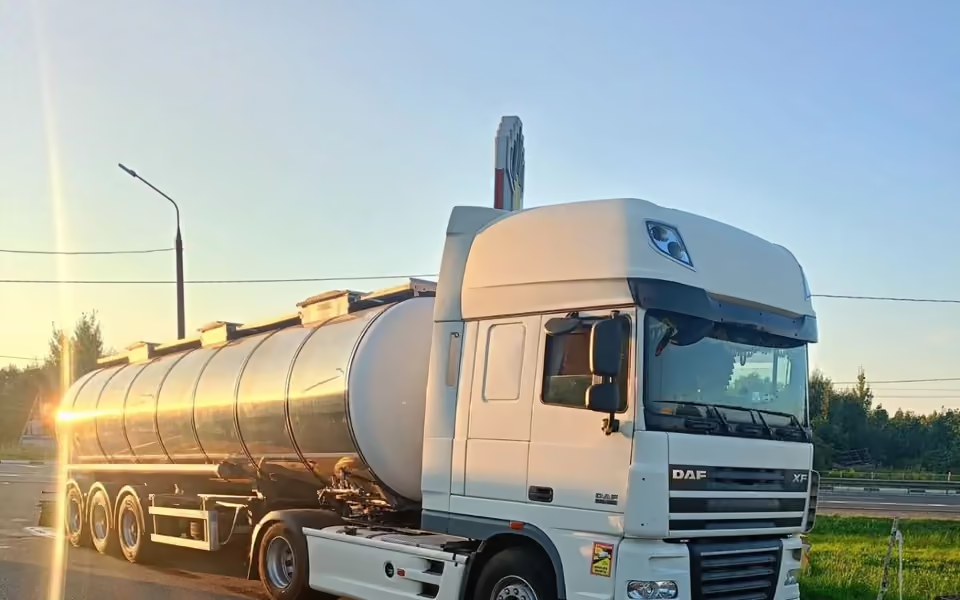
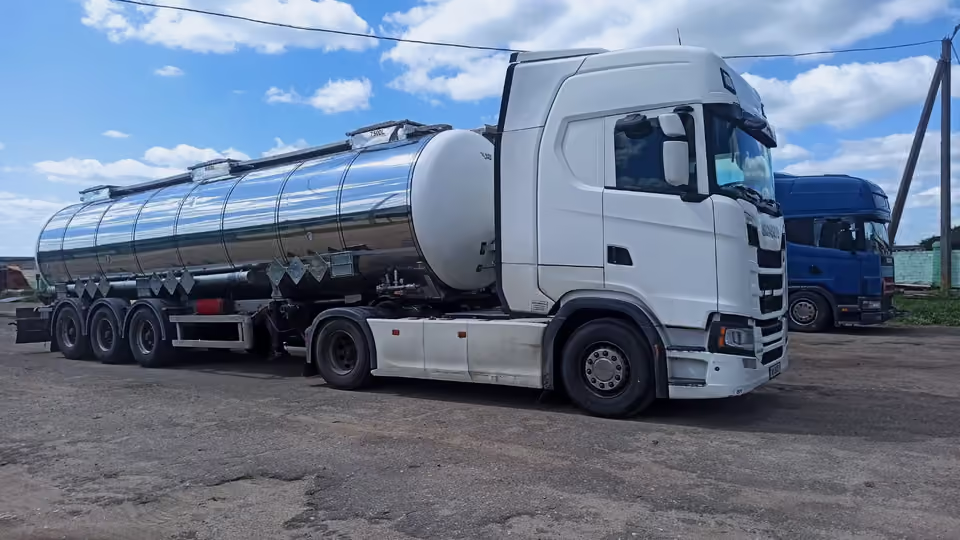
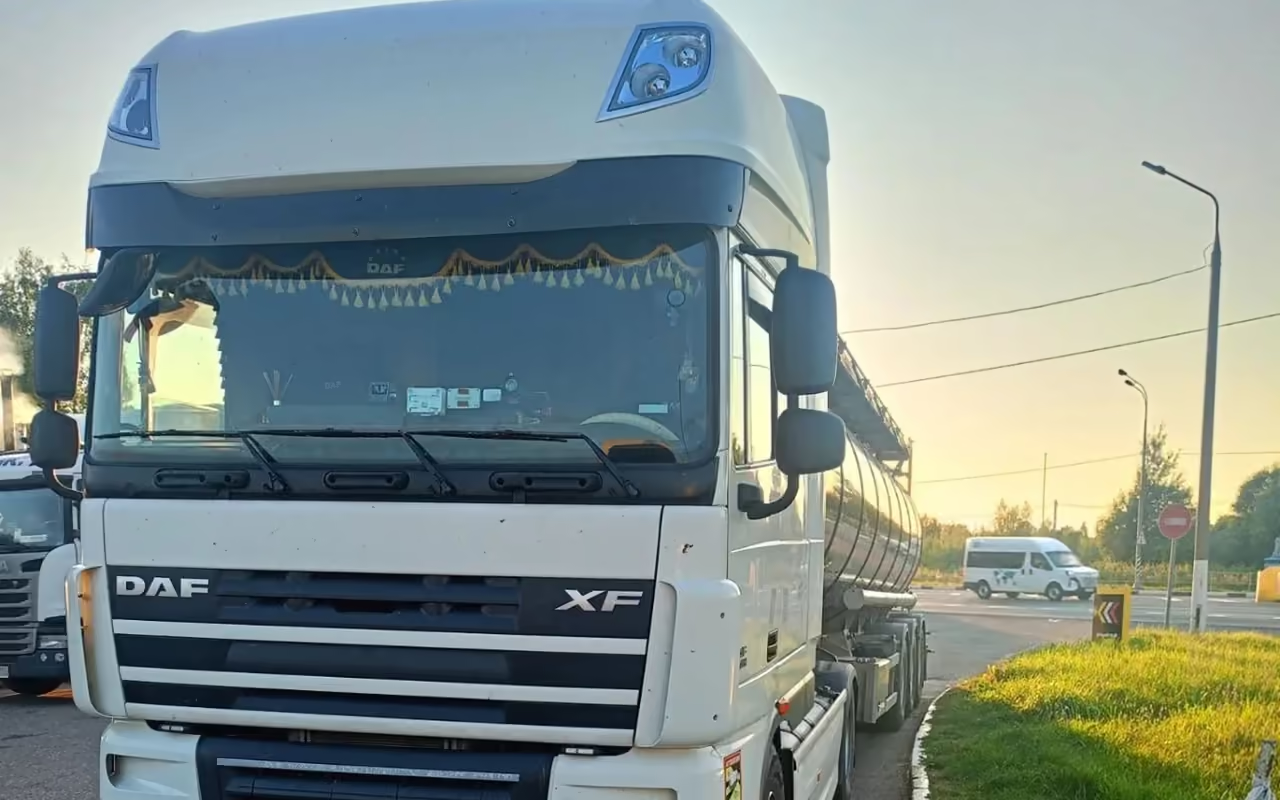
KDM Cargo ADR tanker
  • 32 м³volume
  • up to 24 тpayload
  • GPSon the truck

DANGEROUS

We confirm the tanker for the product, wash and site

ADR transport is separated from food-grade and non-hazardous chemical liquids. We first match SDS, tank requirements and transport documents, then answer on trip feasibility. Site windows and discharge method are agreed together with tanker parameters. Until the check is finished we do not confirm the trip or clearance. In the request name the product, mass or volume, points, discharge requirements and the document owner before we confirm the trip.

  • Documents before the tripHazard class, tanker requirements and personnel clearance are matched before we confirm transport.
  • Honest publicationUntil the check is finished we do not list ADR classes and certificates on the site.
  • Site alignmentSupply windows and dangerous-liquid discharge conditions are agreed together with tanker parameters.

What we check before the trip

With dangerous liquids the cost of a mistake is a stopped trip, a fine and a blocked loading: without an SDS check and tanker clearance the truck is not released to the site. We check documents and clearance before supply, agree the discharge method — and only then put a tanker on the trip.

We take the job

We take dangerous liquids — when documents confirm a dangerous regime, and we match tanker and discharge method before supply.

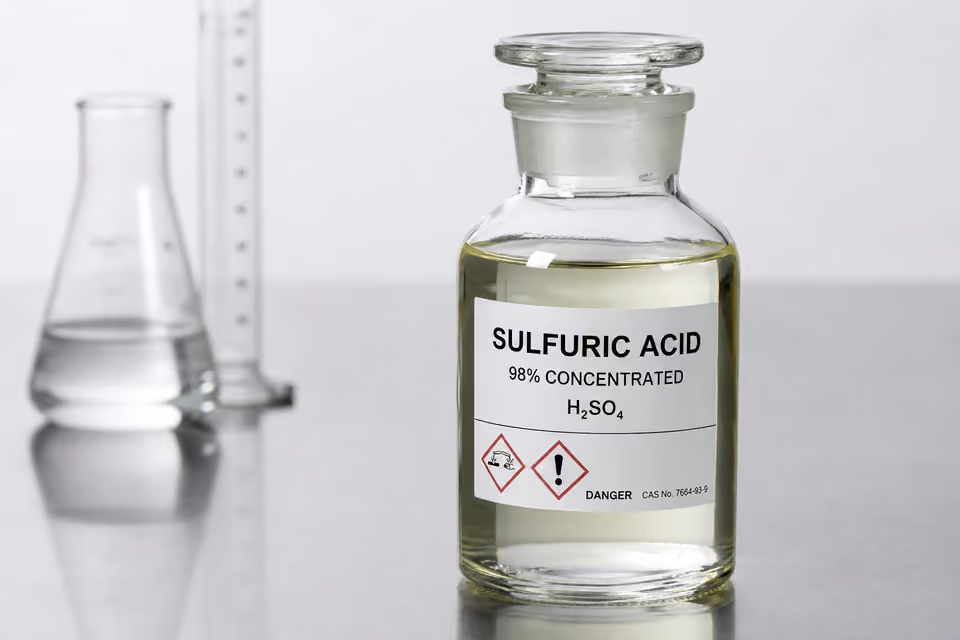
  • Acids and alkalis — tanker clearance is confirmed from the documents of that trip
  • Petroleum productsdiesel, fuel oil, bitumen — viscosity and steam heating are locked before the request
  • Resins — regime and tank compatibility are matched before we leave for loading
  • Solvents and other dangerous liquids — only after SDS and clearance checks
If this is a different cargo

If the cargo is not dangerous or is food-grade — pick another service. Dangerous liquids need their own tanker and clearance from trip documents.

  • Glycerine, latex, polyols and other non-hazardous chemicals — non-hazardous chemicals service
  • Oils, molasses, milk and other food-grade liquids — food-grade service
  • Without an SDS and batch papers — documents first, then the trip

Dangerous liquids we are asked about

Acids, alkalis, diesel, fuel oil, bitumen, resins, solvents. Class and tanker clearance follow the documents of your trip.

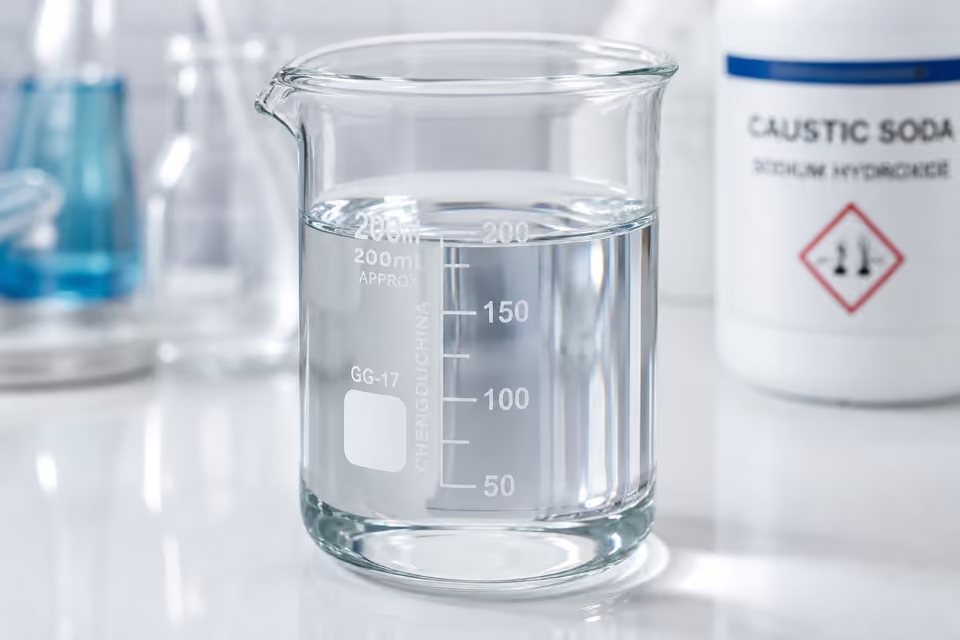
Acids and alkalis

Dangerous liquid bulk. First SDS and tanker requirements, then a yes or no. Separate from food-grade and non-hazardous chemical contours.

  • DocumentsClass and packaging from the papers of that haul.
  • Separate tankNot mixed with food-grade equipment.
  • SiteFittings and tightness against loading and discharge points.
  • AcidsADR
    Acid loads are ADR cargo: class and tanker are checked from the papers of that haul.
  • AlkalisADR
    Alkaline loads are hauled under ADR after class and tanker are matched in documents.

Oil products

Dangerous liquid bulk with viscosity and heating constraints. Jacket use follows the batch. Food-grade tanks stay off this cargo.

  • ClassConfirmed from documents, not a website menu.
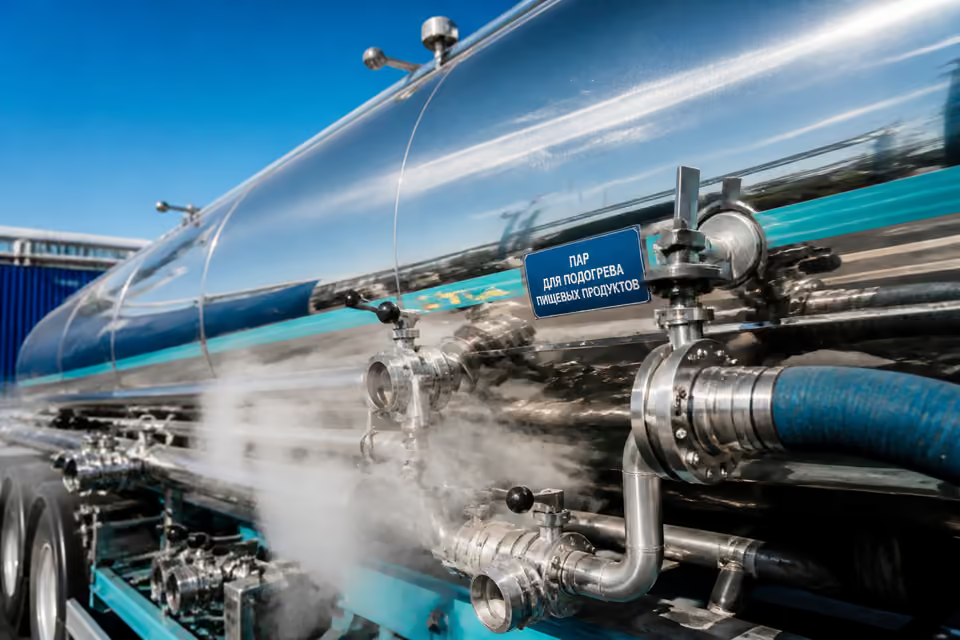
  • HeatingSteam jacket on the fleet; switched on by trip parameters.
  • Separate contourNot a food-grade tanker.
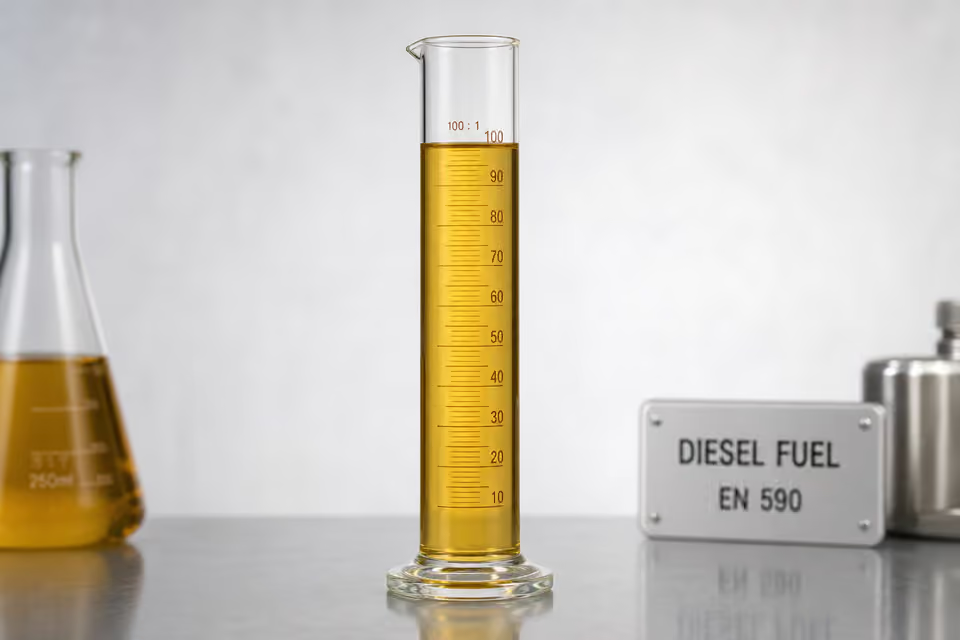
  • Diesel fuelADR
    Diesel is an ADR load: class and tanker are checked from haul documents.
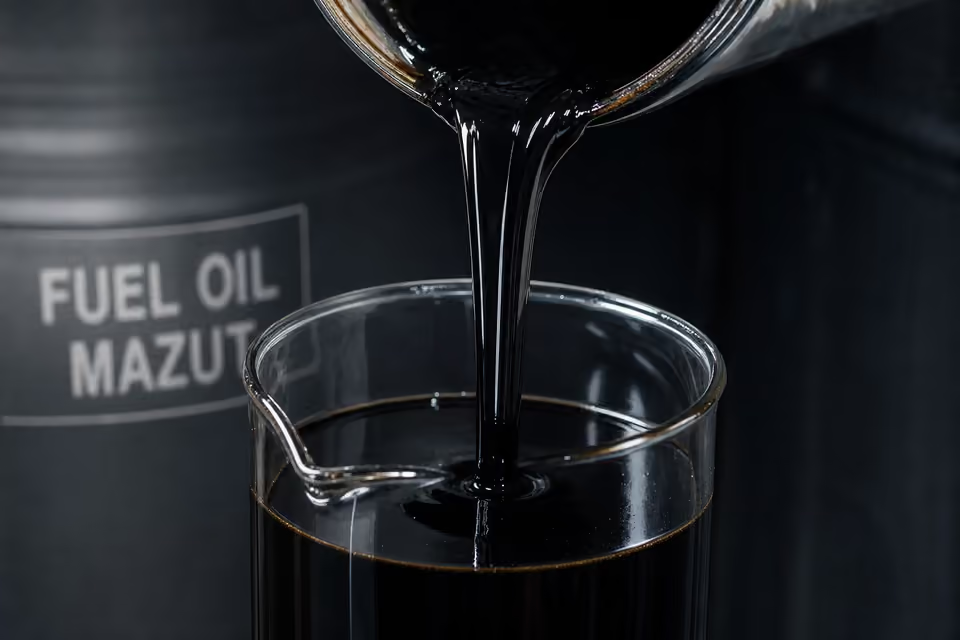
  • Fuel oilADR
    Fuel oil is a viscous ADR load, often heated. Tank parameters and class are matched per trip.
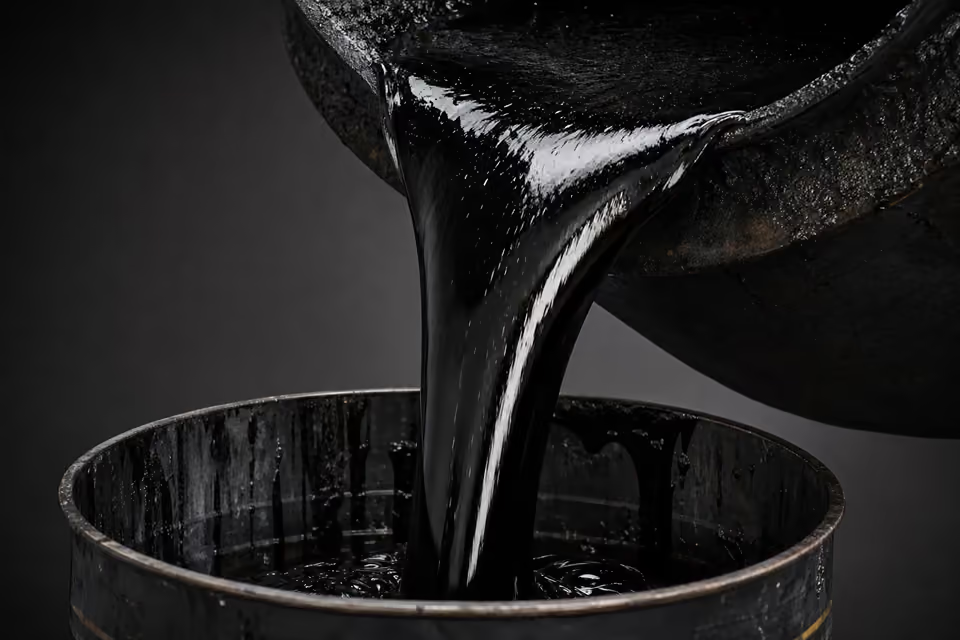
  • BitumenADR
    Bitumen is a high-viscosity ADR load that must be heated. Parameters are matched from trip documents.

Resins

Not published as “any class”. Food-grade tanks are not used. Previous cargo and class come from the shipment papers.

  • SDSClass is not assumed from the product name on the site.
  • Previous cargoCompatibility of the tank history is checked before loading.
  • Separate contourNot mixed with food-grade equipment.
  • ResinsADR
    Resins are ADR loads with different viscosity and temperature. Class and tanker are confirmed from trip documents.
  • Formaldehyde resinsADR
    Formaldehyde resins are ADR loads with special vapour and tightness rules. Clearance per trip.

Solvents and technical alcohol

Solvents and technical alcohol are not published as “we haul any class”. First SDS and tanker requirements, then an answer. A food-grade tank is not used.

  • Trip documentsClass and clearance from SDS and transport data.
  • TightnessVapours and fittings are checked against loading and discharge points.
  • Separate requirementsNot mixed with food-grade or non-hazardous chemical contours.
  • SolventsADR
    Solvents are ADR loads with vapour and tightness control. Clearance after a document check.
  • Technical alcoholADR
    Technical alcohol is an ADR load with vapour and tightness control. Class is matched from trip documents.

Product not in the grid

Name the product and attach an SDS or spec. Clearance follows the batch, not the catalogue.

What we check before we supply the tanker

Linked checks before departure — so we do not solve each condition at the plant gate.

  1. SDS and trip papers

    Without an SDS check we do not confirm clearance.

  2. Tank for the product

    Material and fittings — only after requirements from the documents.

  3. Not food-grade tanks

    We do not use food-grade tankers for ADR liquids.

  4. Honest scope

    Class and clearance are confirmed from the documents of that trip.

  5. Site conditions

    Access, discharge and windows for dangerous liquids are locked before supply.

We match the tanker to the product

A tank for the product and the discharge site, not a universal truck.

  1. Clearance by trip

    The tanker is confirmed after transport documents.

  2. Compatibility

    Wall and pipework — for the product in the SDS.

  3. Separate from food-grade

    Separate from food-grade and non-hazardous food/chem logic.

  4. Steam jacket

    For viscous petroleum products and resins — by batch parameters.

For a first quote

Send the trip parameters

Product, volume, corridor and a contact are enough for a first reply. The rest we clarify before we confirm supply.

  1. Product name and SDS
  2. Batch volume
  3. Route and dates
  4. Known tanker requirements
  5. Responsible contact

What to put in the request and what is needed on the trip

A phone number and the job in your own words are enough to start. These parameters speed up tanker and route checks. Guide: documents for a quote.

For a quote

  • Product name and SDS
  • Batch volume
  • Route and dates
  • Known tanker requirements
  • Responsible contact

For the trip

  • Transport document set after clearance
  • SDS / safety data sheet
  • Transport documents for the corridor
  • Site loading/discharge instructions for dangerous goods

How the trip runs

From request to closing the trip — one logic for every service.

  1. Request

    Product, volume, route and a contact — even in your own words.

    Result: the job is logged; next step within the working day.

  2. Compatibility

    We match the product to tank history and receiver requirements.

    Result: clearance, or a list of tanker questions.

  3. Wash

    We lock wash type and the partner wash certificate.

    Status: tanker ready for loading, certificate with the driver.

  4. Supply

    We agree site windows, fittings and discharge method.

    Plan: arrival in the plant window, no idle time at the gate.

  5. Trip control

    We follow the trip: documents, status, contact with the driver.

    En route: status and discharge forecast in one message.

  6. Discharge and close-out

    We control unloading and collect closing documents.

    Close: signed papers and the closing settlement.

What the quote depends on

A fixed tariff without cargo parameters would only be a guess. The rate is shaped by the conditions below.

  • Documentary clearance

    Complexity of the check and matching a tank to the trip.

  • Route

    Corridor and route limits.

  • Heating

    Viscous liquids and discharge time.

  • Idle time

    Waiting and control on a dangerous site.

  • Wash / product change

    Intermediate cleaning between trips.

Corridors where we assemble these trips

Belarus, Russia, Kazakhstan, China, Turkey, Georgia and European countries per trip. Specific points are agreed in the request.

Guides for this service

Request, wash, tanker and rate — to check the trip before the call.

Ask about ADR tank loads

KDM Cargo

online

Which ADR classes do you haul?

Class and clearance are confirmed from the documents of that trip. We do not publish a class list on the site in advance — no premature promises.

Can I get a quote for dangerous goods immediately?

You can leave a request with a phone number and the job. Then we check documents and tanker parameters — then we answer on trip feasibility.

Why is there no class list on the site?

So we do not promise what is not confirmed by trip documents. Honest clearance matters more than a marketing list.

What should I send first?

SDS or a safety data sheet, volume, route and a contact. That speeds tank matching.

Do you haul fuel oil and bitumen?

Feasibility is confirmed after we check documents, tanker compatibility and heating regime. Name product, temperatures and route in the request.

Can you go after a food-grade trip?

Food-grade, chemicals and ADR are separated. We do not run ADR liquids under food-grade clearance logic.

Which classes do you take?

Not listed on the site. Confirmed after documents.

Do you haul bitumen in winter?

If class, jacket regime and receiving site match. Decision is per trip.

Match the load to a tanker

Send the product, volume and route. We check compatibility first, then come back with a quote.

Product · volume · route

If anything is missing, a specialist will confirm it by phone.