Steam heat is not an “extra if we remember”. It is how a viscous product leaves the tank without a day lost at the silo. Below — when the jacket actually works, and when it will not save a trip if the site has no steam.
What the jacket does
A steam jacket warms the shell so the product stays pumpable. It does not replace insulation, and it does not heat a tank that was loaded cold if the site cannot supply steam at discharge.
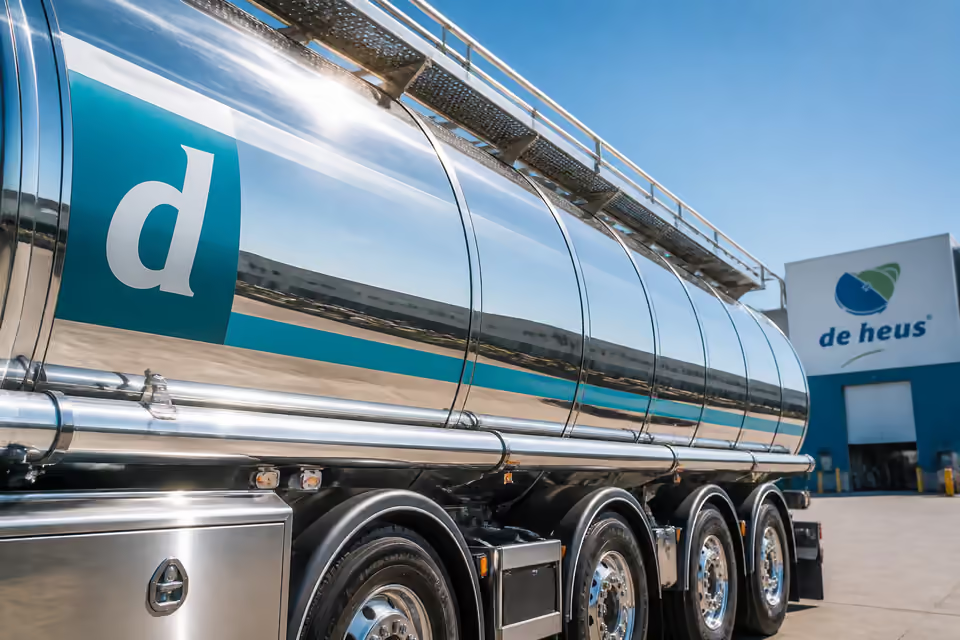
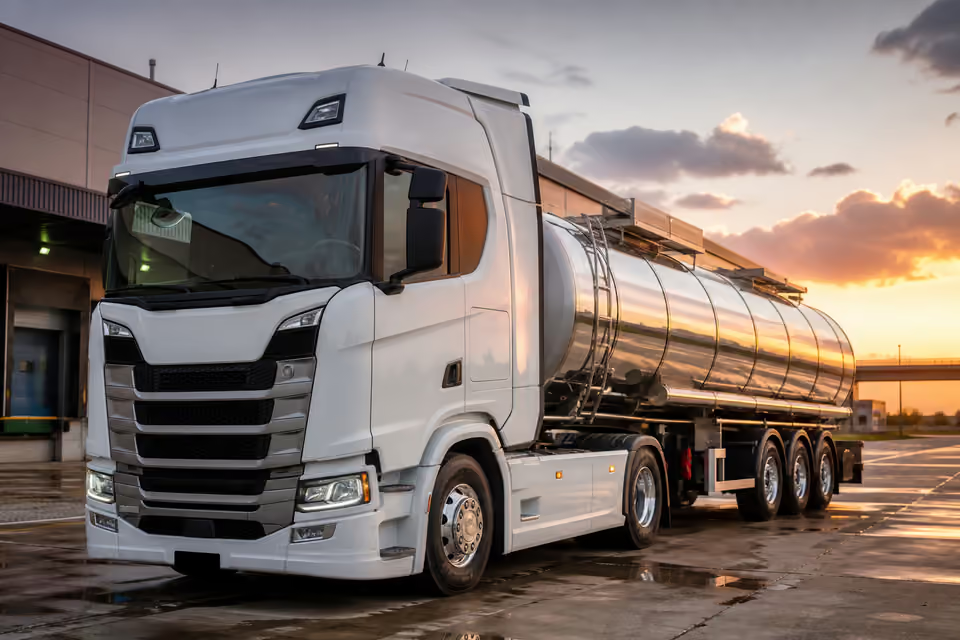
On the KDM Cargo fleet the jacket is standard: LAG and Magyar stainless tanks, 32 m³, steam jacket and air connection on every trailer. The kit is there. The regime for this trip is still a decision, not an automatic switch.
Air on the fleet is a discharge aid — also confirmed per trip. Jacket plus air does not cancel wash, history or the product line.
When heat is really needed
Oils in winter, molasses, some resins, bitumen, mazut — viscosity rises as temperature falls. Without a planned heat regime, discharge stretches into overtime and a second day at the plant.
Need is set by the product card, season and what the receiver can connect. “Jacket on the truck” is not the same as “steam available at the rack”.
If the product stays thin at ambient, we do not sell heat as a ritual. Extra hours of steaming are a cost — they should solve a real discharge risk.
Heat is not insulation
A thermos keeps; a jacket adds energy when steam is connected. On a long Kazakhstan or China leg the product can still cool. Plan discharge heat, not a belief that the tank “never cools”.
Loading hot and hoping it arrives hot is not a method. Ask what temperature the receiver needs to pump, and whether they have steam.
If the site has no steam, another discharge method or another window is required. We would rather say that before the truck leaves than discover it at the fence.
What to ask the shipper
Load temperature, whether the product solidifies, and any limit that must not be exceeded. Overheating food oils is a quality claim, not a “safer discharge”.
Season and origin climate matter. A summer load inside Belarus is not the same as a January load toward Kazakhstan.
If specs name a pumping temperature, put the figure in the request. “Warm it a bit” is not a regime.
What to ask the receiver
Is there steam at the rack, which connection, and how long a slot they give for heating plus discharge. No steam — say so in the request. That one line changes the plan.
Bottom or top discharge, and whether air is allowed, decide fittings. The whole fleet has an air connection; the site must still accept that method.
Night or weekend intake without utilities is a common trap. A jacket cannot invent a boiler that is shut.
We will match a tanker to your product
Send a phone number and the job in your own words. Product, volume and corridor speed clearance — with no price promised without parameters.
Oils, molasses, bitumen: different scripts
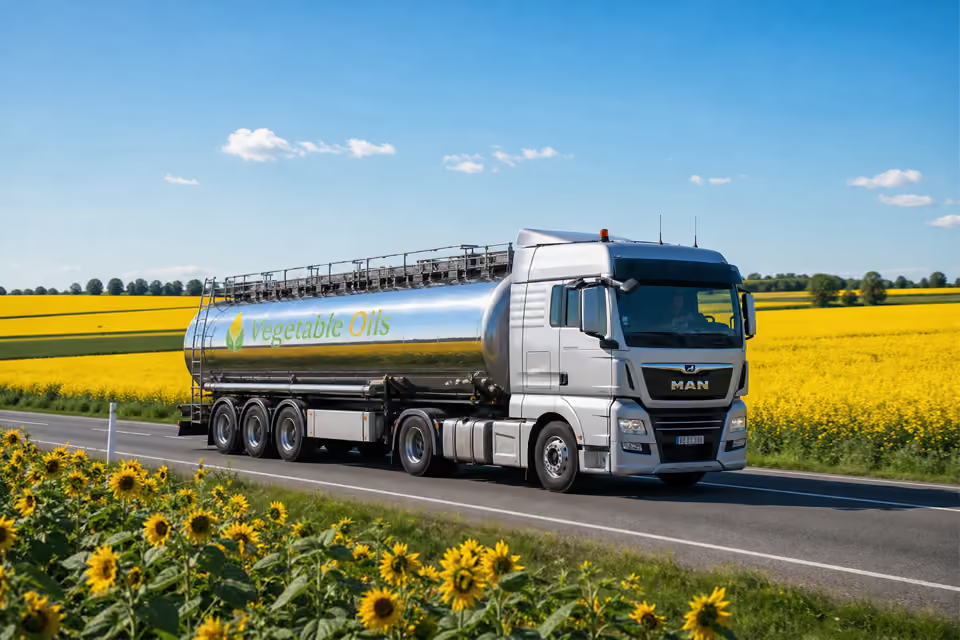
Food oils are a core cargo for KDM Cargo. Heat is used to keep them pumpable, not to “cook” the batch. Limits come from the shipper and the plant — see vegetable oil tank transport.
Molasses and syrups thicken fast when they cool. Discharge time then dominates the rate more than extra kilometres.
Bitumen and heavy fuels are a different temperature world. We confirm the regime from documents. We do not treat them as “oil, but darker”.
How corridors change the job
On Belarus and Russia the risk is often the plant window, not the distance. On Kazakhstan and China it is hours in the shell plus season.
Turkey, Georgia and Europe add site rules: a German slot is not a Georgian rack. Name the country.
Empty run of a jacketed tank still costs. The matching trailer may be coming from a wash, not from the next street.
How to plan discharge time
Heating plus pumping is a block in the calendar, not a footnote. If the receiver gives a two-hour slot and the product needs four hours of steam, the trip is already late before it starts.
Write the expected discharge method in the request: gravity, pump, air. We match fittings; we do not assume the plant’s habit.
Demurrage starts when the tank is ready and the site is not. Heat does not cancel a closed rack.
What to put in a heat-related request
Product, volume, corridor, season, load temperature if known, and whether the receiver has steam. Phone number. That is enough to start — same logic as the request guide.
SDS or specs help when viscosity depends on temperature. Exact addresses can wait until the tanker is matched.
If you already know “no steam at discharge”, write it. It saves a false confirmation.
When heat saves the trip — and when it does not
A rapeseed load toward Poland in March, receiver with steam, jacketed 32 m³ tank — that is a normal use of the kit. The rate includes time to connect and heat, not only kilometres.
The same product to a site with no steam in January is a different job. We would rather refuse or change the window than freeze the cargo in the shell.
When the picture is clear, send a request. The jacket is on the fleet; the regime is written per batch.
Ask about the tanker
Is the jacket always on?
It is fitted on the whole fleet. Use during the trip depends on the cargo and whether the site can supply steam.
Does heat replace a thermos tank?
No. Insulation keeps temperature; the jacket adds heat when steam is connected. Long corridors still need a discharge plan.
Do you heat food oils as a default?
Only when viscosity and season require it, within the limits of the batch. Food oils are a core cargo — overheating is a quality risk.
What if the receiver has no steam?
Say so in the request. We plan another window, method or tank — we do not discover a dead rack at arrival.
Is air the same as steam?
No. Air helps discharge; steam heats the shell. Both connections are on the fleet; both are confirmed per trip.
Does heat change the rate?
Yes, when extra time at the plant is real. See what sits in a tank rate.
How do I ask for a heated trip?
Product, season, corridor, steam at the site or not. Contacts.
We will match a tanker to the product
A phone number and the job in your own words are enough to start.