Vegetable oil looks like an easy liquid — until it cools on the road or takes on the smell of the last cargo. Overheating damages the batch; underheating stalls discharge. Regime, wash and history decide the trip before kilometres do.
Why oils need their own logic
Sunflower and rapeseed oils are the typical cargo KDM Cargo is built around: food-grade tanks, partner wash, history check. Palm and other oils share the food contour; viscosity and season differ.
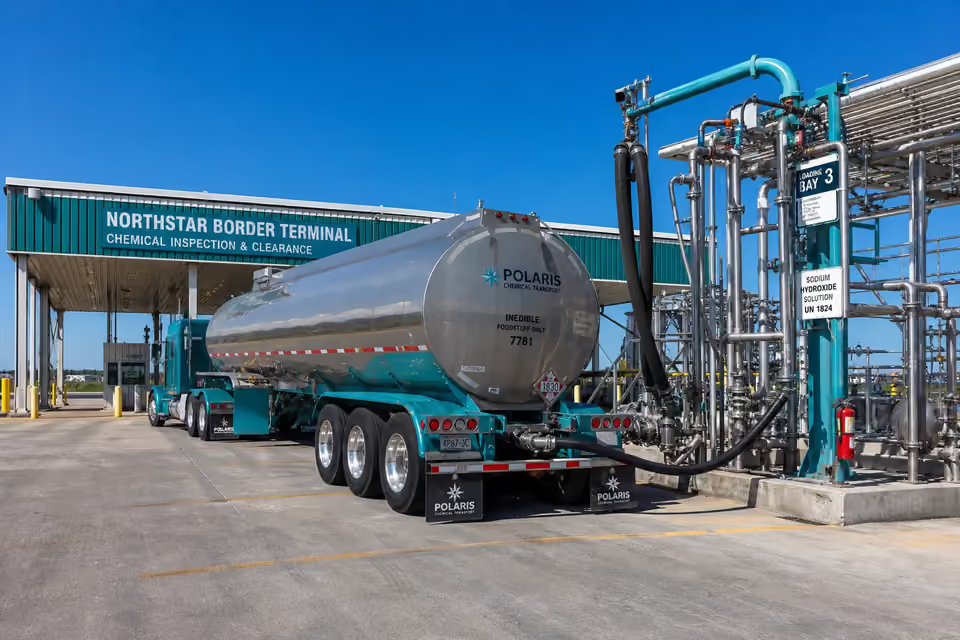
Technical oil is not food-grade. If the SDS or the plant says technical, the line is chemicals or ADR, not a food tank “because it is still oil”.
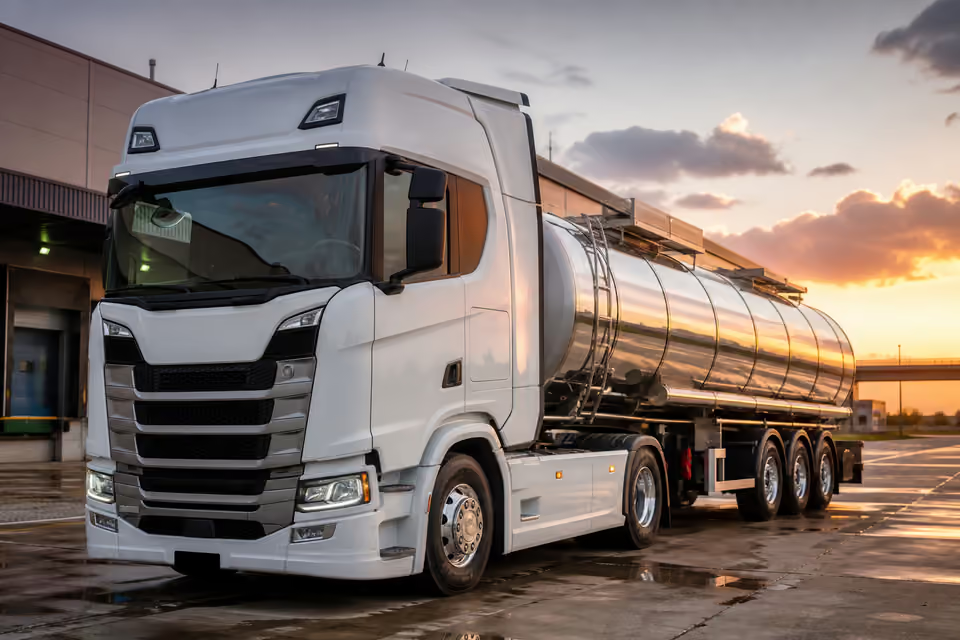
Tanker for sunflower and rapeseed
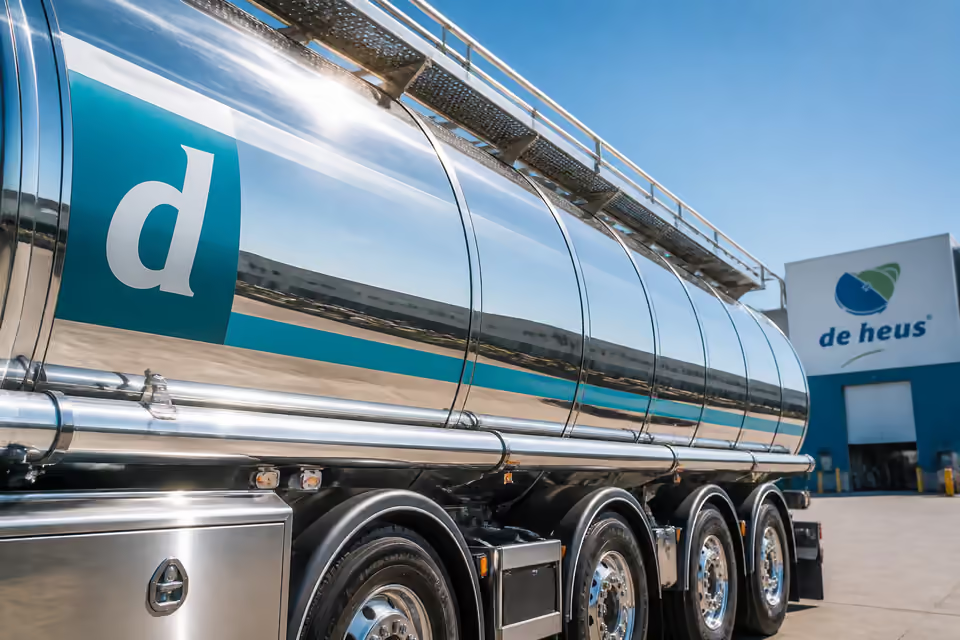
LAG and Magyar stainless, 32 m³, steam jacket and air on every trailer. Match still depends on the plant’s previous-cargo list — food-grade standards.
Write tonnes. A “tanker of oil” is not a quantity.
Temperature: a thermos does not heat
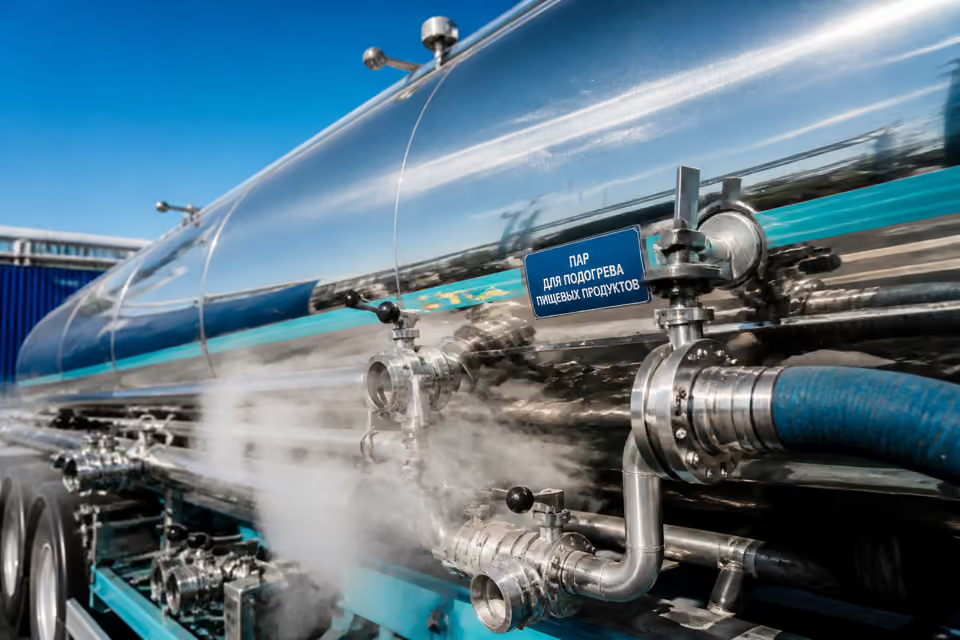
Jacket heats when steam exists at the rack. Insulation only slows cooling. Winter toward Europe or Kazakhstan needs a discharge plan — steam jacket.
Do not ask to “warm it strongly” without a limit. Food oils have quality ceilings.
Wash and sampling
Food wash certificate per tanker, previous cargo, sometimes retained samples. Plants are strict on odour. Wash guide.
If the receiver samples at loading, say so. Time on site belongs in the window.
A certificate without tank number, date and cleaning type does not close a food plant. We match the paper to this trailer, not to the fleet in general.
Corridors: Belarus, Russia, Kazakhstan, Europe
Belarus origins and Russia plants are everyday oil work. Europe needs a country. Kazakhstan adds hours in the shell.
China, Turkey, Georgia — name the country role. Oils follow the same geography board as other liquids, with a food contour.
We will match a tanker to your product
Send a phone number and the job in your own words. Product, volume and corridor speed clearance — with no price promised without parameters.
Export papers for oil
Product grade, plant wash rule, country of intake. Customs packs can follow. Start with the operational four checks — documents.
Legal entity on the contract stays ООО «КДМ Карго». The plant still wants the tank papers, not only the letterhead.
How to get a calculation without a long thread
Oil type, food vs technical, tonnes, from–to countries, week, wash rule, steam at discharge yes/no, phone. That is a complete first message.
Mirror it from the request guide if you want a checklist.
A rate without wash and history is a sketch. A confirmable figure appears after a food tank matches this batch — send the plant rule with the product.
Example: rapeseed, Belarus to Germany
Rapeseed, food-grade, 24 t, Belarus → a named German plant, bottom discharge, food wash required, March. We assign a food tank, wash, jacket plan, German slot.
“Germany” without a plant reopens the rate. Technical rapeseed changes history.
Send the plant rule with the product. Oil is a specialism — it is still cleared per batch.
How not to lose quality at discharge
Do not overheat. Do not wait a night at a rack without steam in January. Do not accept a tank whose last cargo the plant forbids.
Air discharge only if the plant allows air into that oil. The connection is on the fleet; permission is on the site.
Ask about food-grade
Do you specialise in sunflower and rapeseed?
Yes — those are the typical food-grade oils we haul. Other food liquids are possible after the same wash and history checks.
Is palm oil the same as sunflower?
Same food contour, different viscosity and often heat. Name the oil.
Can technical oil go in a food tank?
Not as a shortcut. Technical vs food is a line choice, then a tank.
Do you heat every oil trip?
When season and the site require it. Jacket is standard; regime is not automatic.
What wash do oil plants want?
Whatever that plant wrote. Send the list. We do not guess a food programme.
How do I request an oil tank?
Oil type, tonnes, countries, wash rule, phone. Contacts.
We will match a tanker to the product
A phone number and the job in your own words are enough to start.