Food-grade tank transport

Food-grade liquids in dedicated tankers: compatibility, wash and regime before we confirm the trip.

  • Compatibility before the trip
  • Partner wash
  • 32 m³ · steam
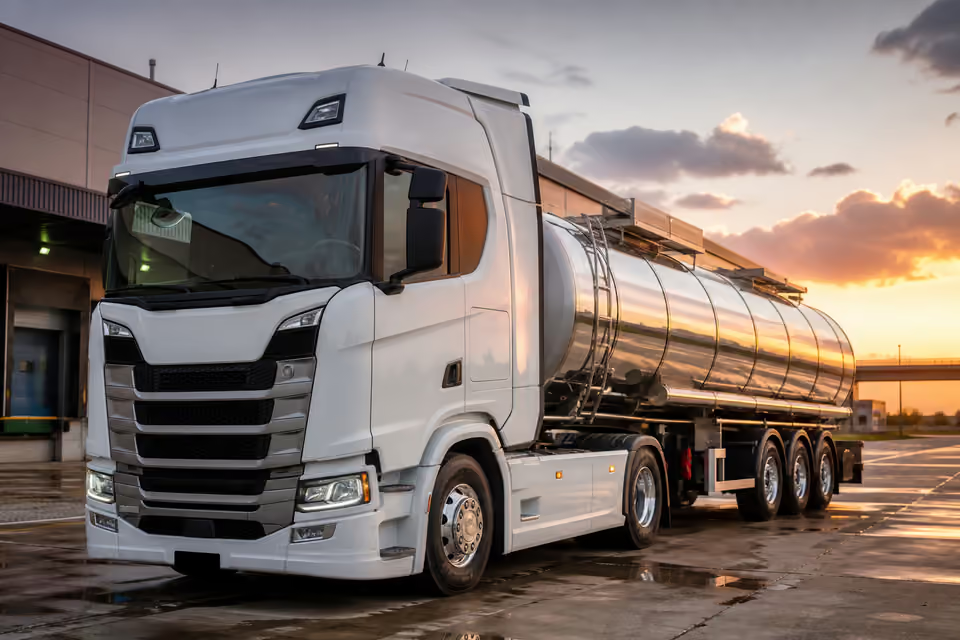
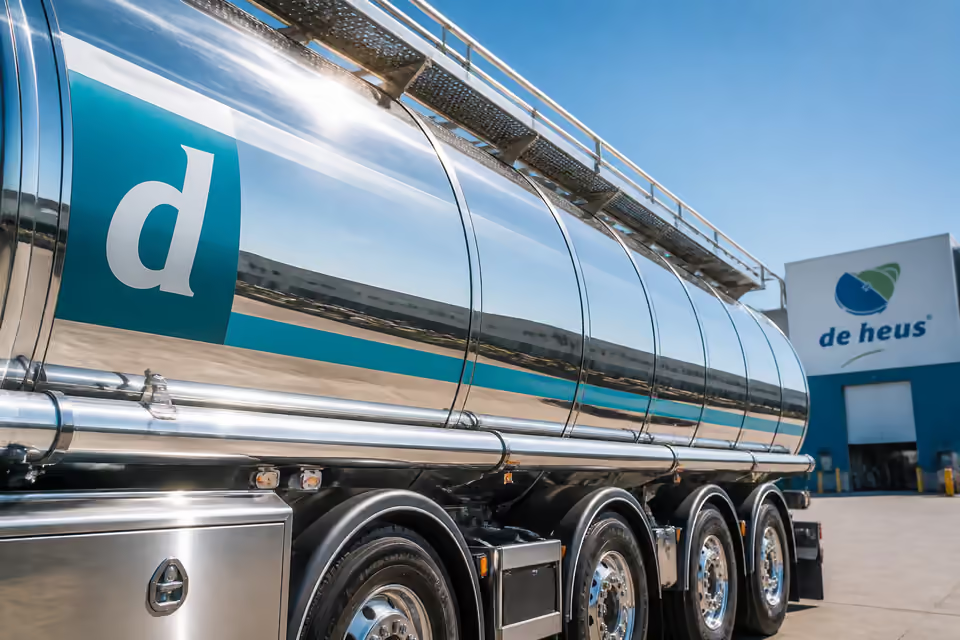
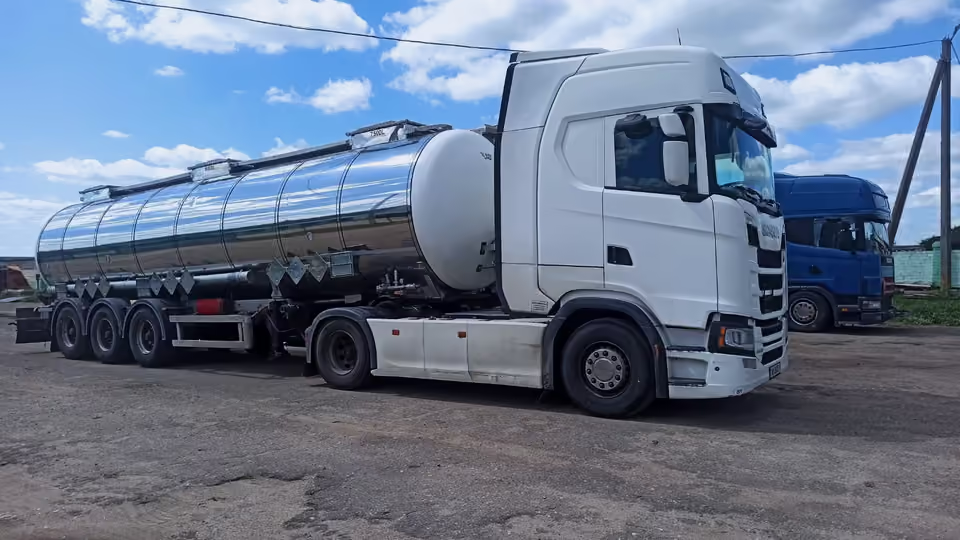
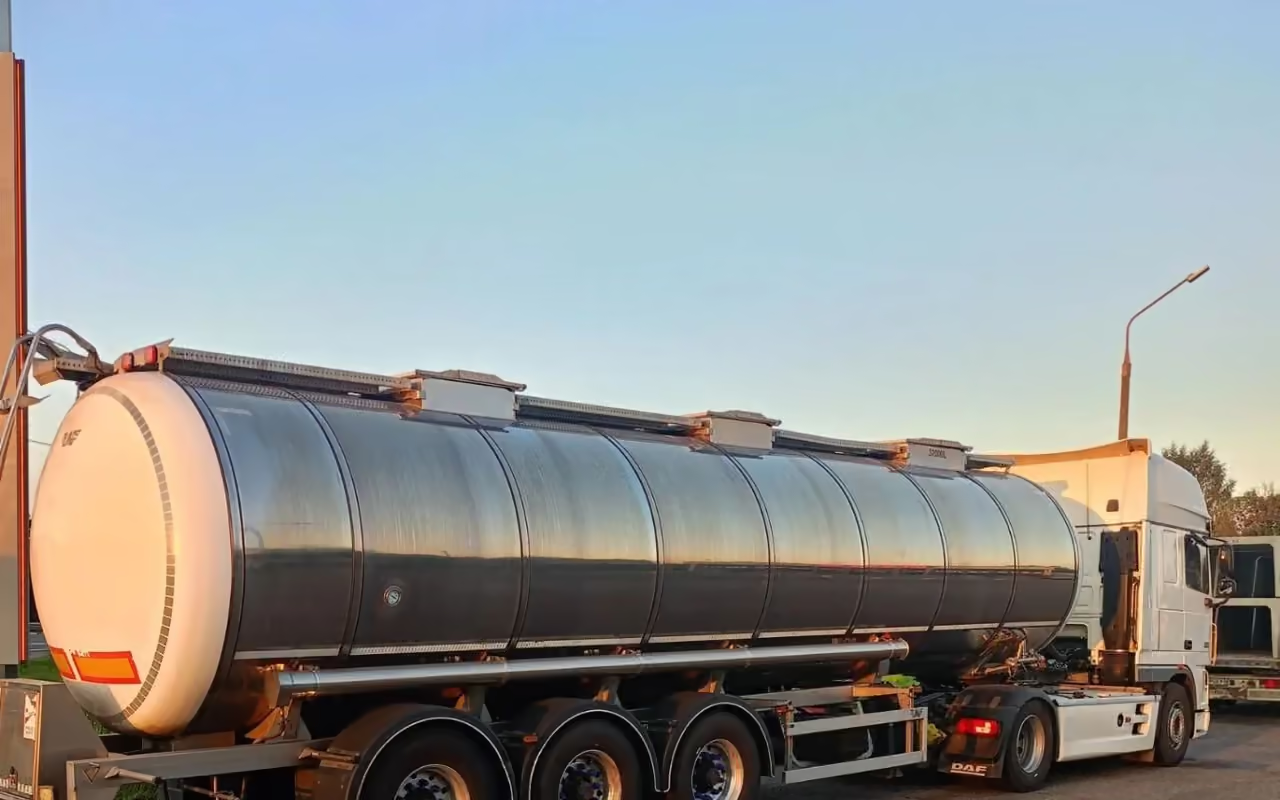
KDM Cargo food-grade tanker
  • 32 м³volume
  • up to 24 тpayload
  • GPSon the truck

FOOD-GRADE

We confirm the tanker for the product, wash and site

We haul liquid food products in bulk — from oils and molasses to dairy and sugar products. Before we confirm the trip we match previous cargo, partner wash with a certificate and discharge conditions. The tanker is picked for cargo properties; for viscous and solidifying products we allow for steam heating. If your product is not among the examples, describe the batch in the request — we confirm feasibility from documents and trip parameters.

  • Food-grade compatibilityWe match the product to previous-load history — no transfer of odours or residues into the batch.
  • Wash before startWash is partner-run: cleaning type and wash certificate are locked before we leave for loading.
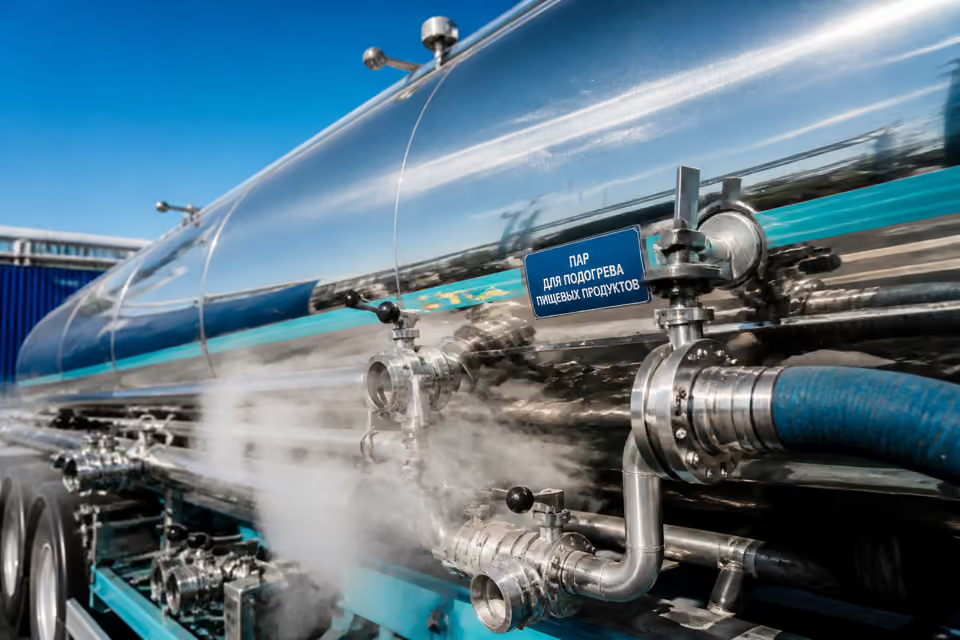
  • Regime and dischargeTemperature, volume and discharge method are agreed with the site. For viscous loads — steam heating of the tanker.

What we check before the trip

Food-grade tank transport fails on three things: odour and residues from the previous load, a wash without proof, discharge not agreed with receiving. The result is a rejected batch, idle time and a missed plant window. We check this before supply: tanker history, wash certificate and discharge conditions — and only then confirm the trip.

We take the job

Fits liquid food products when cargo data and receiving requirements can be confirmed before loading.

  • Cargooil, molasses, syrup, milk, cream and other food-grade liquids — we lock product name and batch volume so receiving does not reject a mismatch
  • Tanker hygienewe match previous cargo and wash requirements; the certificate is confirmed before supply — no residues or odour in your batch
  • Dischargetemperature, viscosity, heating and fittings are agreed with the receiving site before departure — discharge on the first attempt
If this is a different cargo

If the cargo is not food-grade liquid, pick the matching service. We do not use a food-grade tank for chemicals or dangerous goods — they need different tanker, wash and document rules.

  • Glycerine, latex, polyols and other non-hazardous chemicals — non-hazardous chemicals service
  • Acids, alkalis, petroleum products, resins, solvents — dangerous goods service
  • The safety data sheet marks dangerous goods — dangerous goods transport

Food-grade liquids we are asked about

Oils, molasses, milk, fats and other food liquids — each group has its own wash, viscosity and discharge regime. We confirm the tanker by batch, not by a generic site list.

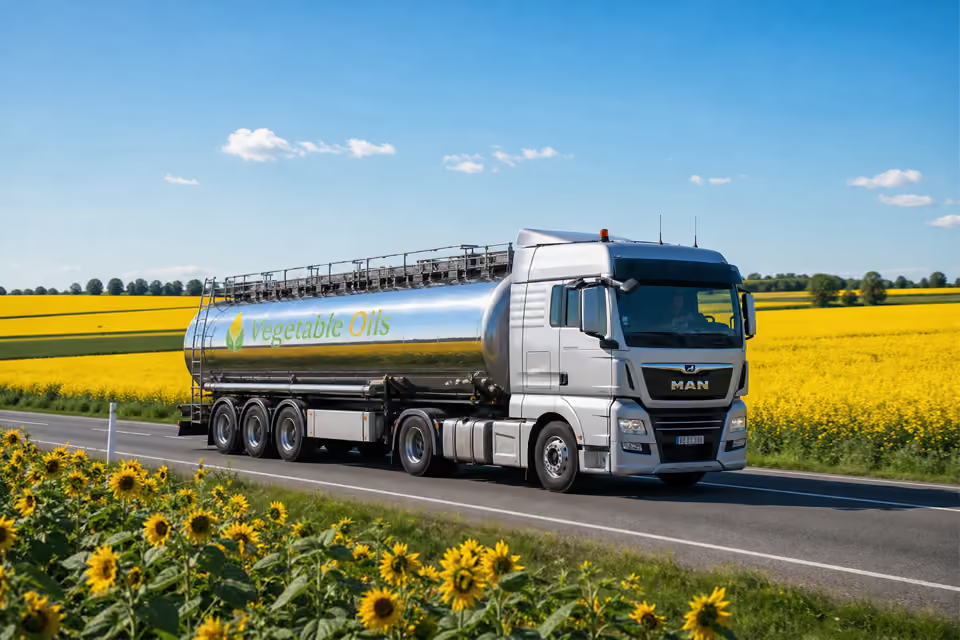
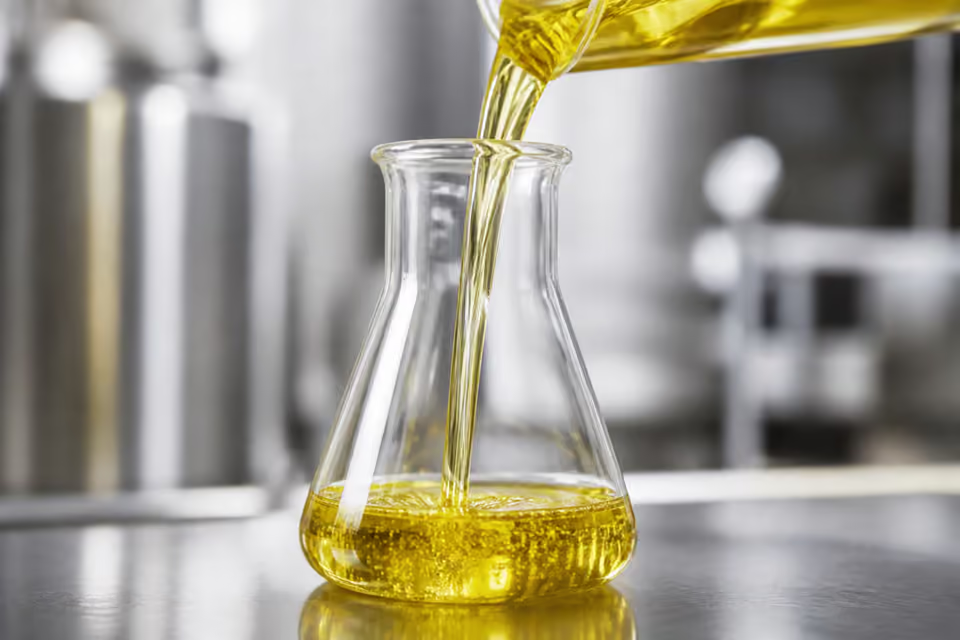
Vegetable oils

Food-grade stainless, a history without foreign odours, wash with a certificate before loading. Viscosity and temperature set discharge and steam. Clearance follows receiving documents, not a SKU list.

  • Food-grade clearanceA tank with a compatible history — no odour or fatty residue in the batch.
  • Wash before startCleaning type and certificate for that tanker are fixed before we leave for loading.
  • Regime and dischargeTemperature, viscosity and discharge method are agreed with site equipment.
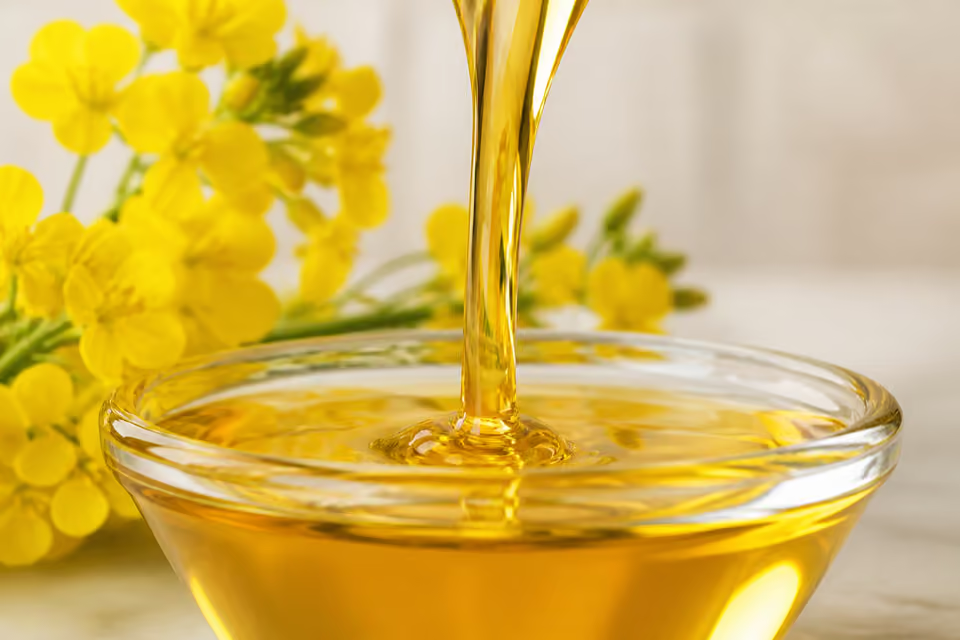
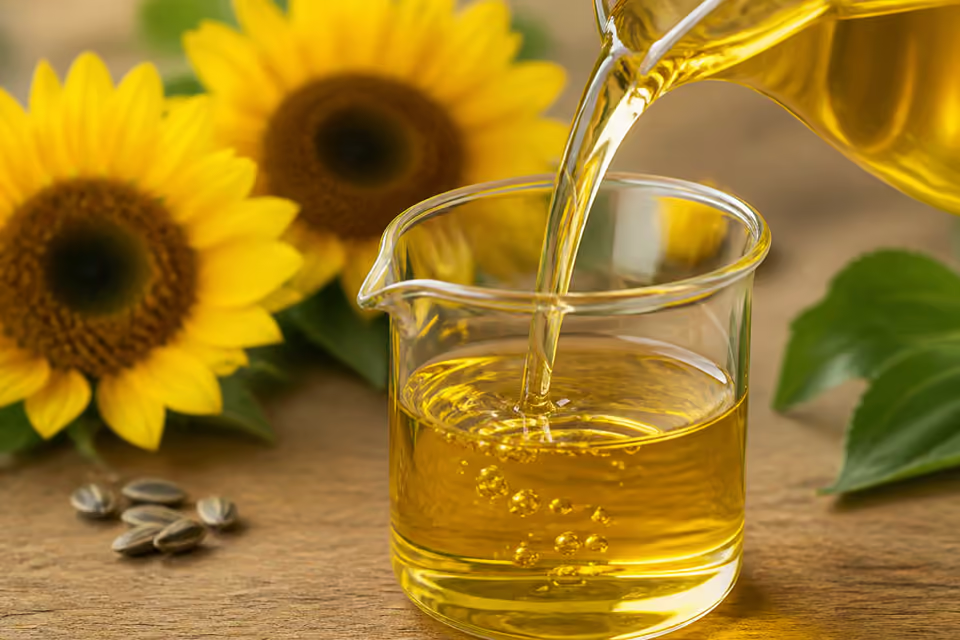
  • Vegetable oilПищевой
    A food-grade tank for vegetable oils: odour, load history and wash — before clearance. Grade of the batch is confirmed in the request.
  • Sunflower oilПищевой
    Large lots from crushing and storage: previous cargo, wash certificate and winter discharge — before the trip starts.
  • Rapeseed oilПищевой
    Rapeseed on a long corridor: batch temperature, food-grade tank and discharge window — before the trip is confirmed.
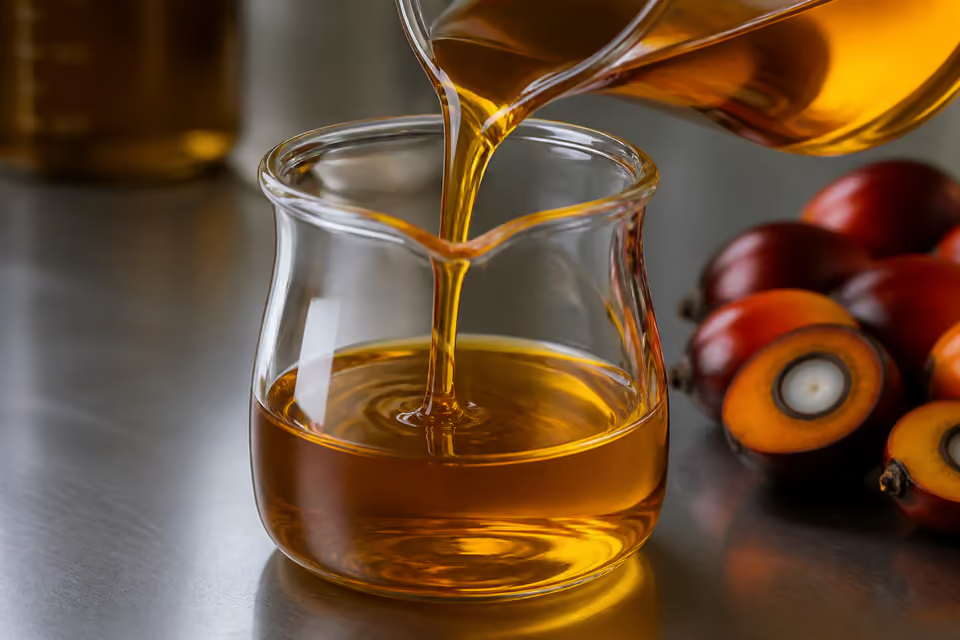
  • Palm oilПищевой
    Palm oil often needs heating and a strict wash. Tank parameters are checked before the trip is confirmed.

Sugar liquids

Starch syrup, molasses, glucose and fructose syrup. The risk is previous-cargo residue and a failed discharge on a thick batch. Wash, history and steam regime are checked before we send the truck.

  • ViscosityThick lots need agreed heating and discharge time in advance.
  • Food-grade washCleaning certificate and compatible load history — before departure.
  • Site fittingsDischarge diameter and method are confirmed so we do not stall at the tank.
  • Starch syrupПищевой
    Starch syrup is a viscous sugar load. Heating regime and discharge speed are agreed before the tanker leaves.
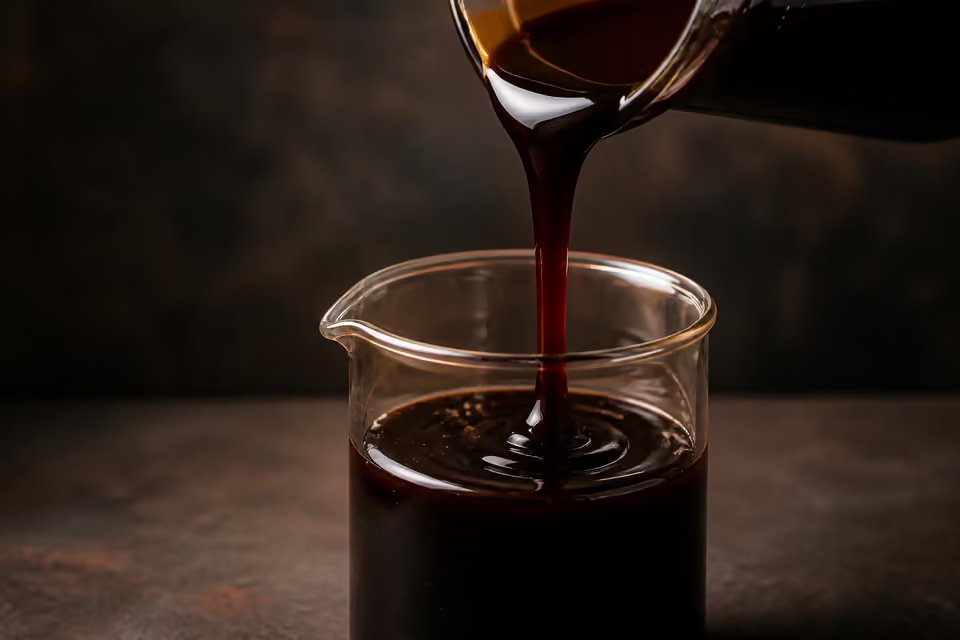
  • MolassesПищевой
    Molasses is a dense sugar syrup with high viscosity. Tank and regime are matched to the batch before the trip.
  • Glucose syrupПищевой
    Glucose syrup in food-grade tanks: wash and previous cargo are checked before the trip.
  • Fructose syrupПищевой
    Fructose syrup is a viscous food load sensitive to contamination. Wash and tanker are checked in advance.

Dairy liquids

Dairy liquids need a clean food-grade history and a tight window. We confirm wash and previous cargo before assigning a tanker.

  • Short windowLoading and discharge times are fixed with the plant before departure.
  • Food-grade historyPrevious cargo must be compatible with dairy.
  • WashCertificate and cleaning type for that tanker — before we roll.
  • MilkПищевой
    Milk in dairy or food-grade tanks with temperature and wash control before the trip.
  • CreamПищевой
    Cream is a dairy load with higher fat and a strict temperature check. Parameters are matched before the trip.

Fats, juices and other food liquids

Fats, juices, wine materials, food-grade alcohol, beer, liquid chocolate, additives — the same food-grade logic: tank history, wash, discharge. Name the product and receiving requirements.

  • Food-grade clearanceLoad history and wash certificate are checked before we send the truck.
  • Batch regimeTemperature, viscosity and heating follow the cargo.
  • ReceivingFittings and plant windows are agreed in advance.
  • Animal fatsПищевой
    Animal fats need temperature control and a strict wash. Tank clearance only after load history is checked.
  • Juice concentratesПищевой
    Juices and fruit concentrates: acidity, temperature and tank wash — before trip clearance.
  • Wine materialsПищевой
    Wine materials need a tight food-grade tank and temperature control. Clearance after product and wash match.
  • Food-grade alcoholПищевой
    Food-grade alcohol is a high-proof load with special tank rules. Clearance and any ADR regime follow trip documents.
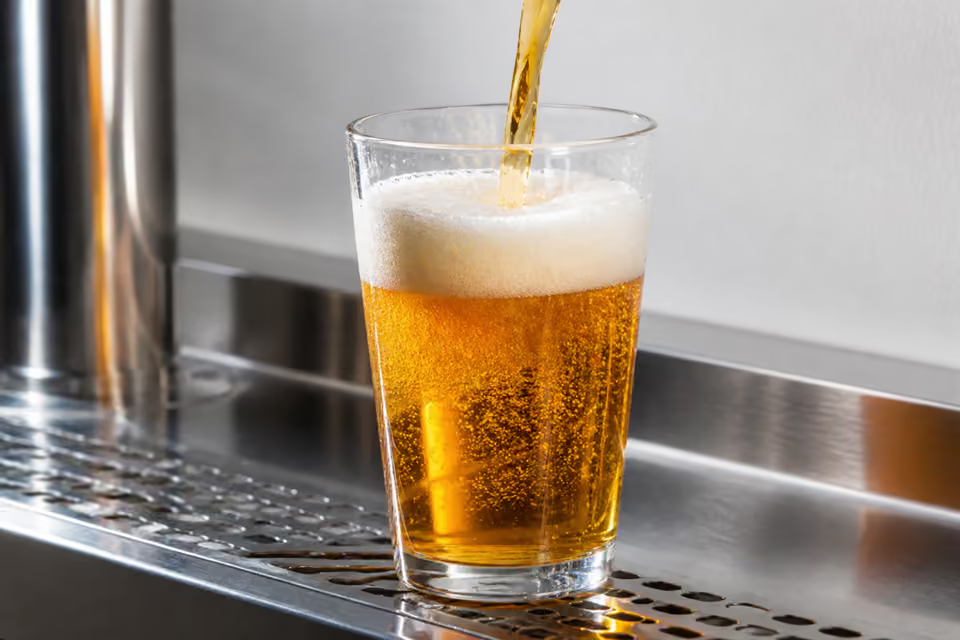
  • BeerПищевой
    Beer in food-grade tanks with temperature and pressure control. Parameters are agreed before the trip.
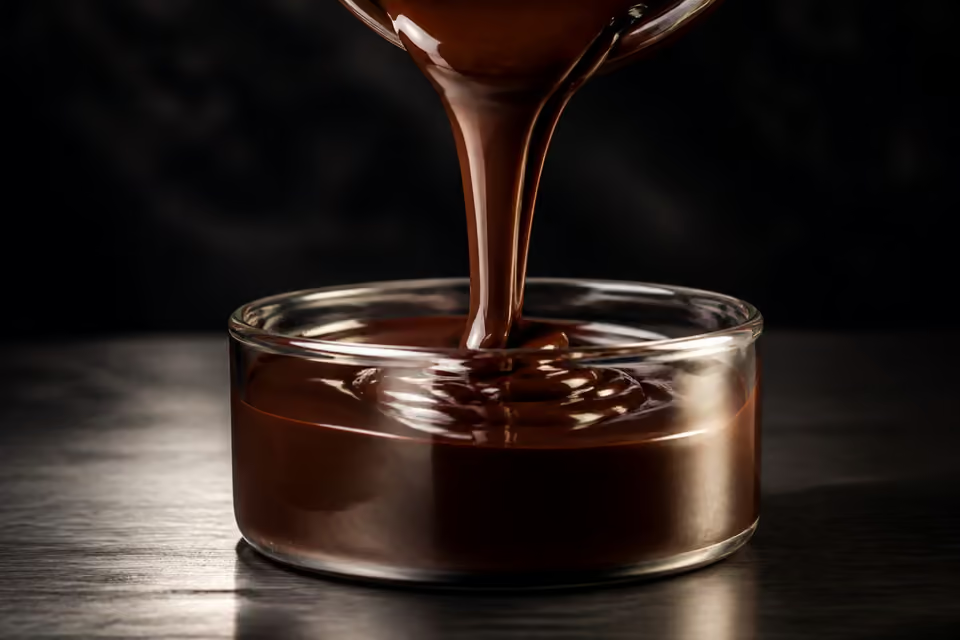
  • Liquid chocolateПищевой
    Liquid chocolate needs heating and viscosity control. Tank and regime are matched before the trip is confirmed.
  • Food additivesПищевой
    Liquid food additives are a wide class. The tanker is matched to the additive and the papers before the trip.

Liquid not in the grid

Name the product and receiving conditions. Clearance follows the batch, not the SKU list.

What we check before we supply the tanker

Linked checks before departure — so we do not solve each condition at the plant gate.

  1. Loading history

    The previous product in the tanker must not spoil odour, colour or taste of your batch at receiving.

  2. Wash certificate

    Before loading — a partner-station wash and a document for that specific tank.

  3. Temperature and viscosity

    For oils, molasses, syrups and fats we lock regime and steam heating in advance.

  4. Site fittings

    Discharge diameter and method are agreed with the plant — so we do not stall at the gate.

  5. Separation from chemicals

    A food-grade trip is not mixed with chemicals and ADR “for convenience” — separate clearance.

We match the tanker to the product

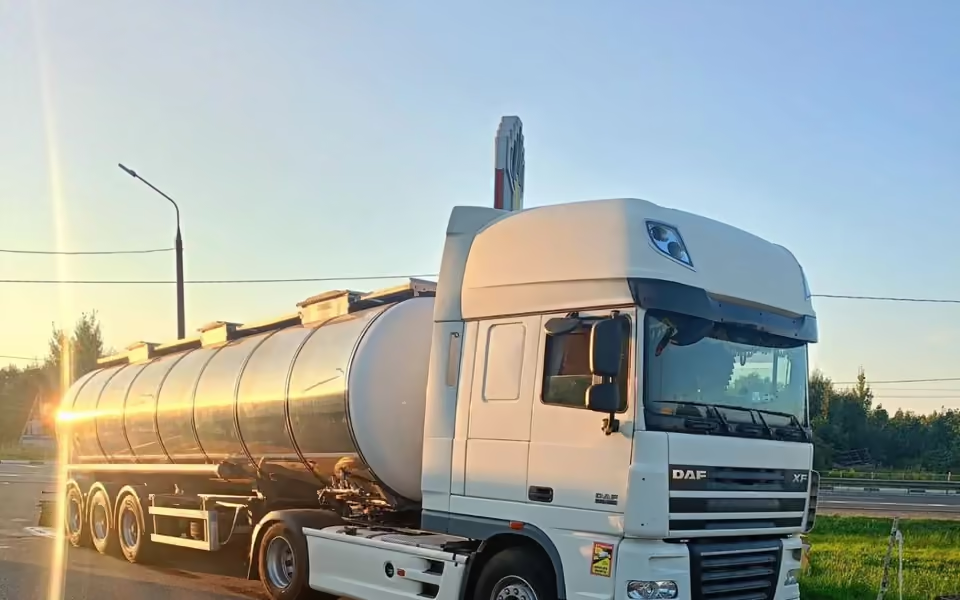
The fleet has single- and multi-compartment LAG and Magyar tanks. Specific clearance depends on the product and the site.

  1. Food-grade clearance

    A tank with compatible history for food-grade liquid.

  2. Steam jacket

    On all tankers — steam heating; plus an air connection for discharge.

  3. Compartments and volume

    Matched to batch volume and receiving requirements.

  4. Clean discharge

    Pipework is agreed with the discharge-site equipment.

For a first quote

Send the trip parameters

Product, volume, corridor and a contact are enough for a first reply. The rest we clarify before we confirm supply.

  1. Product name and food-grade purpose
  2. Batch volume
  3. From–to and loading window
  4. Wash / previous-cargo requirements
  5. Logistics contact

What to put in the request and what is needed on the trip

A phone number and the job in your own words are enough to start. These parameters speed up tanker and route checks. Guide: documents for a quote.

For a quote

  • Product name and food-grade purpose
  • Batch volume
  • From–to and loading window
  • Wash / previous-cargo requirements
  • Logistics contact

For the trip

  • Transport documents for the corridor
  • Product specification / passport
  • Tanker wash certificate before loading
  • Receiver tank requirements (if any)

How the trip runs

From request to closing the trip — one logic for every service.

  1. Request

    Product, volume, route and a contact — even in your own words.

    Result: the job is logged; next step within the working day.

  2. Compatibility

    We match the product to tank history and receiver requirements.

    Result: clearance, or a list of tanker questions.

  3. Wash

    We lock wash type and the partner wash certificate.

    Status: tanker ready for loading, certificate with the driver.

  4. Supply

    We agree site windows, fittings and discharge method.

    Plan: arrival in the plant window, no idle time at the gate.

  5. Trip control

    We follow the trip: documents, status, contact with the driver.

    En route: status and discharge forecast in one message.

  6. Discharge and close-out

    We control unloading and collect closing documents.

    Close: signed papers and the closing settlement.

What the quote depends on

A fixed tariff without cargo parameters would only be a guess. The rate is shaped by the conditions below.

  • Route

    Trip length and corridor connections.

  • Wash class

    Cleaning type and urgency before the loading window.

  • Heating

    Whether a steam jacket is needed and idle time at discharge.

  • Loading

    Batch volume and tanker fill percentage.

  • Plant windows

    Hard slots and waiting on site.

Corridors where we assemble these trips

Belarus, Russia, Kazakhstan, China, Turkey, Georgia and European countries per trip. Specific points are agreed in the request.

Guides for this service

Request, wash, tanker and rate — to check the trip before the call.

Ask about food-grade tank loads

KDM Cargo

online

Which food-grade liquids do you take?

Oils, molasses and syrups, dairy and other food-grade liquids. If your product is not among the examples, name it in the request: we confirm feasibility from product, wash and trip conditions.

Do you need wash documents in advance?

Yes. Wash and compatibility parameters are matched before we confirm the trip. Without a match we do not take the trip.

Is food-grade wash in-house or partner-run?

Partner-run. Clearance depends on cleaning type and the wash certificate for that tanker.

Is there heating for viscous oils and molasses?

Yes. Every tanker in the fleet has a steam jacket; there is also an air connection for discharge on site. Name loading and discharge temperatures in the request.

How does food-grade transport differ from chemicals?

Different compatibility, wash and tank-history logic. Chemicals and ADR are run separately — food-grade and chemical tankers are not mixed.

What speeds up a quote?

Product, volume, route, wash requirements and a contact. SDS/passport — a plus if you have it.

How does sunflower differ from rapeseed on the road?

Same class: food-grade tank and wash. Differences are regime, season and receiving requirements. Clearance is per trip.

Can you haul oil after another food load?

Only with confirmed compatibility and wash. The decision follows the trip chain and the receiver.

Match the load to a tanker

Send the product, volume and route. We check compatibility first, then come back with a quote.

Product · volume · route

If anything is missing, a specialist will confirm it by phone.